Albania
 Bosnia and Herzegovina
 Bulgaria
 Croatia
 Cyprus
 Czech Republic
 Denmark
 Estonia
 Germany
 Hungary
 Italy
Italy
 Kosovo
 Lithuania
 Latvia
 Luxembourg
 Macedonia
 Montenegro
 Poland
 Portugal
 Romania
 Serbia
 Slovaki
 Slovenia
 Spain
Spain
 Switzerland
 Sweden
 Turkey
 United Kingdom
 UAE
UAE
 Hong Kong
 Kuwait
 Lebanon
 South Africa

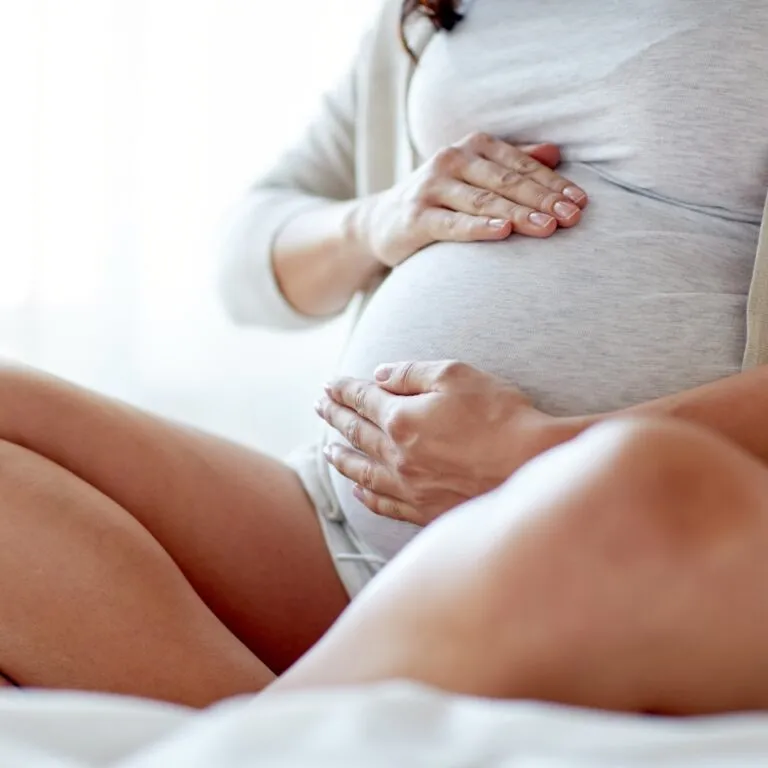
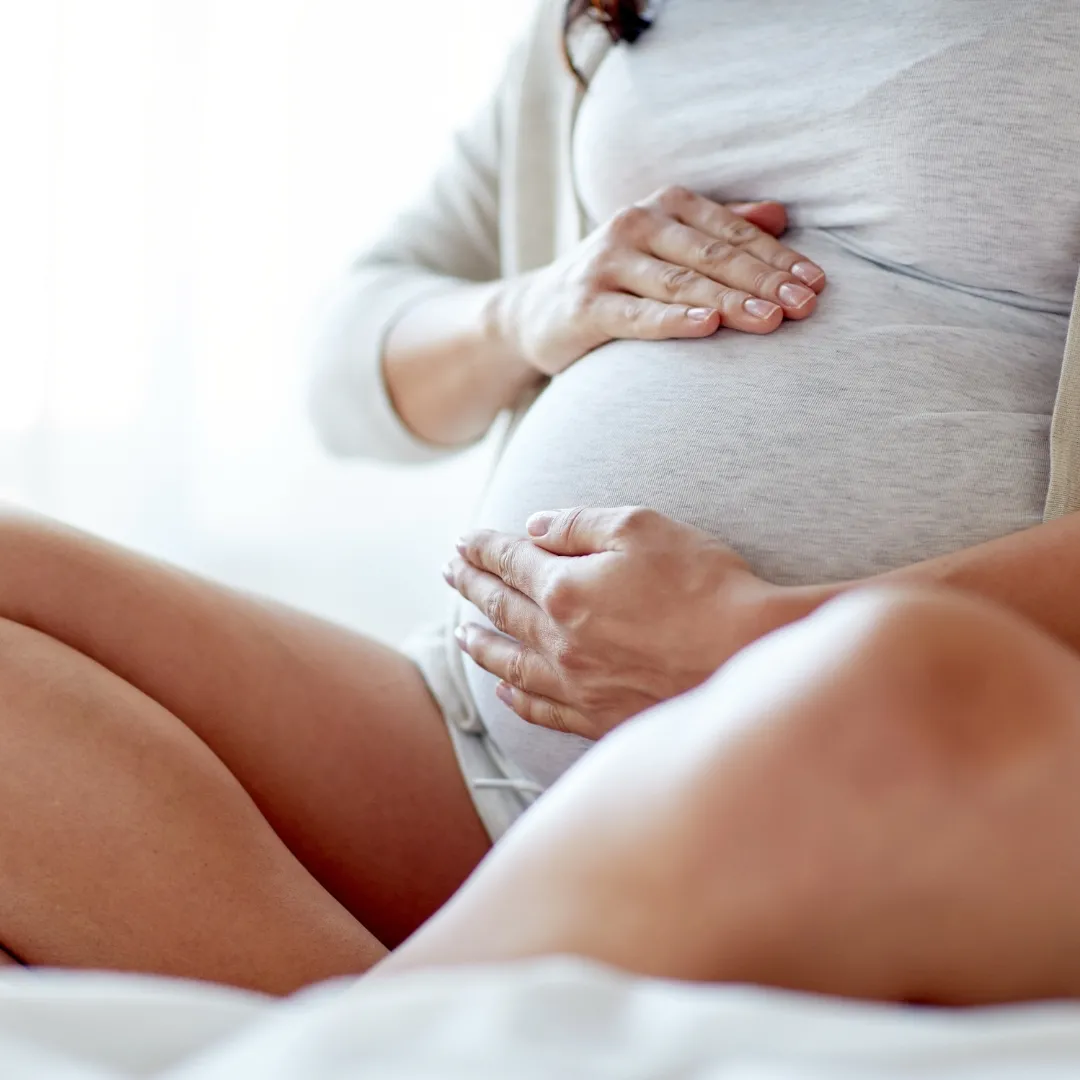
Pregnancy brings plenty of excitement, and plenty of body changes too! As your growing baby bump gets heavier, many expectant mothers start to notice new aches and pains during everyday activities, particularly in the lower back, hips and pelvis.
For many people these types of aches and pains are mild enough to be something of an annoyance rather than a sign of a serious problem, but don’t worry – for most, your your midwife, GP or healthcare provider might suggest a pregnancy belt (also called a pregnancy belly band, maternity support belt or belly support band). You might be wondering what that actually means. Are they safe? Do they work? And do you really need one?
Here’s a clear, honest guide to help you decide what’s right for you.
What is a pregnancy belly strap (or support belt)?
A pregnancy belly strap, sometimes called a pregnancy support belt, maternity belt, maternity belly band or pregnancy band, is a type of pregnancy support garment worn around the lower abdomen and hips.
Most designs use gentle compression and adjustable compression to offer abdominal support and take some of the strain off your lower back and pelvis as your body adapts to the extra weight and the weight of your baby bump.
They’re typically used from the second trimester onwards, when the growing belly starts to feel heavier, but some pregnant women find them especially helpful in the third trimester and later stages of pregnancy.
Importantly, these are not medical devices and they don’t “hold the baby in place”. Your unborn baby is fully supported by your body! Instead, they aim to provide a little extra support for your muscles and joints as your posture and centre of gravity shift.
What are belly straps used for?
Some pregnant women use a pregnancy support belt to help with common pregnancy pains, especially when they’re trying to stay active in daily life. They’re sometimes suggested for:
- Lower back pain/low back pain
- Pelvic girdle pain (PGP) and pelvic pain, including discomfort around the sacroiliac joints (SI joint)
- Ligament pain in the lower abdomen
- A feeling of heaviness from a heavy pregnant belly
- Joint pain linked to hormonal changes that loosen ligaments
- Support during physical activity or long periods of standing
- Supporting posture during everyday activities such as walking, driving or working
Some women feel it makes a huge difference, while others notice only mild benefits. Your body, symptoms and body type all play a role, and pregnant bodies always like to surprise you!
Potential benefits and things to be aware of
Like most pregnancy tools, belly straps aren’t a one-size-fits-all solution. There are a few things that you might want to be aware of before choosing a belly band:
Possible positive effects
- Can provide gentle support to the lower abdomen and back
- May help reduce discomfort during daily activities
- Can encourage correct posture while pregnant, which can reduce strain on the back
- May help some women stay more comfortable during light exercise
- Often adjustable, so you can choose the right size and level of support
Things to consider
- Wearing a compression garment for a long time every day may mean your core muscles do less work, which isn’t ideal for long-term core strength
- Some women experience skin irritation, especially in warm weather
- They shouldn’t feel overly tight or affect breathing or blood pressure
- They are a support tool, not a treatment for underlying issues such as severe pelvic girdle pain or suspected diastasis recti
- If pain is sharp, worsening, or affecting your daily life, it’s important to speak to a healthcare professional rather than relying on a belt alone
A maternity belt can be a good option for short periods of extra support, but it’s always best used alongside advice on posture, movement and gentle strengthening.
What about after birth?
You might also hear about postpartum belly wraps, postpartum belly belts or postpartum period support garments. These are sometimes used after birth, including after a C-section delivery, to provide comfort around the abdomen and back while the body recovers.
However, postpartum recovery still benefits most from gradual movement, rebuilding core and pelvic floor muscles, and guidance from your midwife, GP or physiotherapist rather than relying solely on external support.
What else can help with back pain in pregnancy?
A pregnancy belly band or maternity support belt can provide additional support, but it’s only one option. Many expectant mothers find relief by combining several gentle approaches, especially if discomfort is linked to pelvic girdle pain (PGP), SPD, or general lower back strain caused by the weight of the baby and hormonal changes.
Other ways to ease pregnancy pains can include:
Seeing a specialist
An osteopath, physiotherapist or chiropractor with pregnancy experience can assess posture, joint alignment and muscle tension. They can also check for issues such as pelvic girdle pain, sacroiliac (SI) joint strain or early signs of diastasis recti. You can ask your midwife for suggestions of which specialist would be best for you to see, and you can often find good recommendations from other mums.
Gentle exercise and movement
Activities such as prenatal yoga, swimming or walking can help maintain core strength, support the pelvic floor muscles, and reduce stiffness. The right type of exercise should feel comfortable rather than strenuous.
Improving posture in daily life
It’s hard, especially when you’re pregnant and adjusting to a new centre of gravity that changes frequently, but your posture can make a big difference to your comfort. Small adjustments, such as sitting with lower back support, avoiding standing still for long periods, and bending at the knees rather than the waist, can make a noticeable difference over time.
Heat or warm baths
Warmth can relax tight muscles and ease ligament pain, particularly after a long day.
Supportive clothing and footwear
Comfortable shoes, compression socks for swelling, and loose maternity clothing can all reduce pressure on the lower body.
As always, if pain is sharp, worsening, affecting your ability to walk or sleep, or you’re just worried about it, it’s always best to speak with a healthcare provider rather than managing it alone.
Sleeping comfortably during pregnancy
Back and pelvic discomfort often feels worse at night, particularly in the second trimester and third trimester when the growing belly becomes heavier. Improving sleep position can sometimes have as much impact as daytime support.
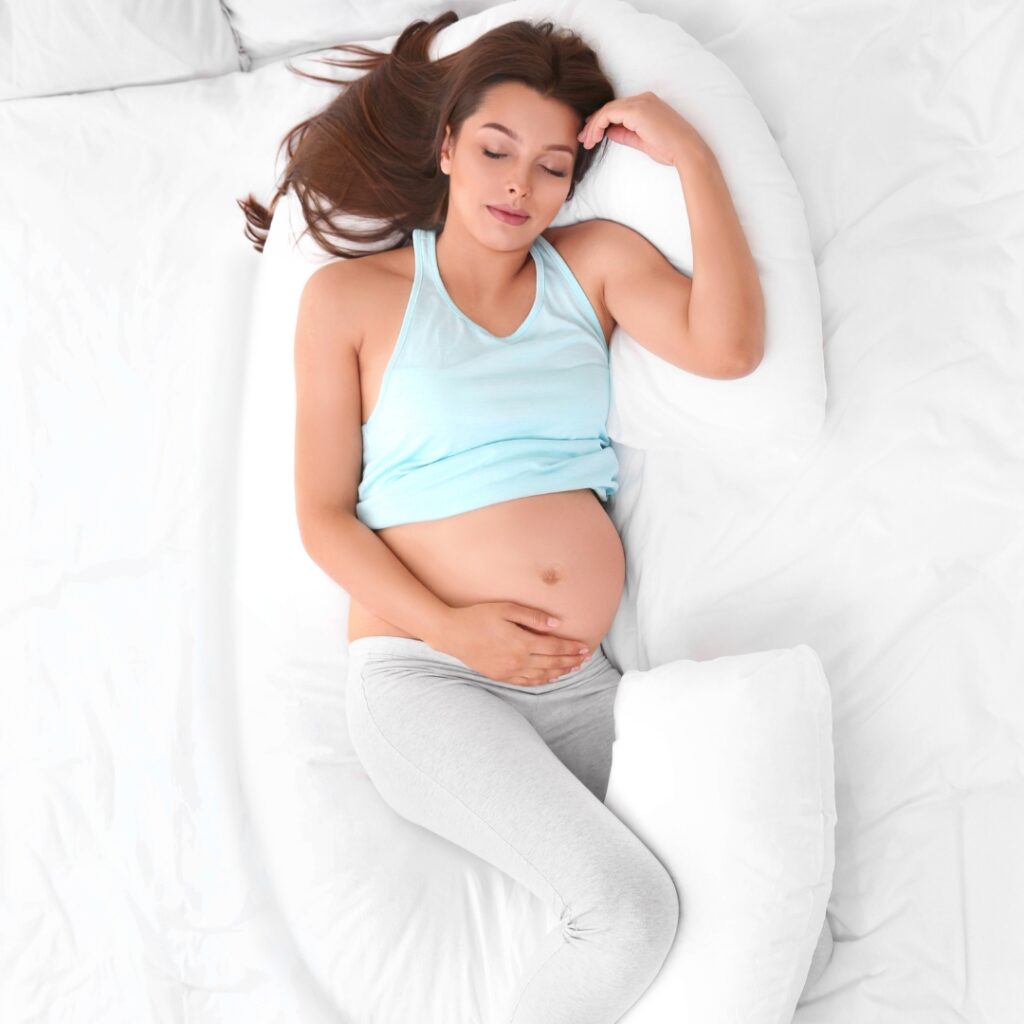
Here are a few tips you can try to get a better night’s sleep while pregnant:
Using a pregnancy pillow
Full-length or wedge-style pregnancy pillows can support the lower abdomen, hips and knees, helping to keep the spine aligned and reduce pressure on the lower abdomen and pelvis.
Side sleeping (usually left side)
Sleeping on your side with a pillow between your knees can reduce strain on the lower back and sacroiliac joints.
Extra cushions or rolled towels
Placing small cushions behind the lower back or under the bump can provide gentle support similar to a belly band but in a resting position, especially if you don’t have a pregnancy pillow.
A supportive mattress or topper
If your mattress is very soft or very firm, a topper can sometimes improve comfort and reduce joint pain.
Sleep disruption is very common in pregnancy, but reducing physical discomfort can make a noticeable difference to energy levels and overall wellbeing!
Should you use a belly strap while pregnant?
This is a very personal decision and you should ask for advice from your midwife and research what would be best for you. For some women, a belly support band offers noticeable pain relief and makes everyday life more comfortable. For others, it feels unnecessary.
If you’re unsure, especially if you have significant pelvic pain, low back pain, or pain that affects walking or sleep, it’s always worth discussing with your health care provider or physiotherapist. They can advise whether a pregnancy support belt is suitable for you and how to use it safely.
Remember that a belly strap is a tool for pregnancy, not the only possible solution!
Your pregnancy journey is unique, the goal is always to support your comfort and your baby’s wellbeing in a way that feels right for you.
Rate this article: