 Albania
 Bosnia and Herzegovina
 Bulgaria
 Croatia
 Cyprus
 Czech Republic
 Denmark
 Estonia
 Germany
 Hungary
 Italy
Italy
 Kosovo
 Lithuania
 Latvia
 Luxembourg
 Macedonia
 Montenegro
 Poland
 Portugal
 Romania
 Serbia
 Slovaki
 Slovenia
 Spain
Spain
 Switzerland
 Sweden
 Turkey
 United Kingdom
 UAE
UAE
 Hong Kong
 Kuwait
 Lebanon
 South Africa



Placenta
Stem Cells
Unlock the Potential of Placental Stem Cells for Future Therapies
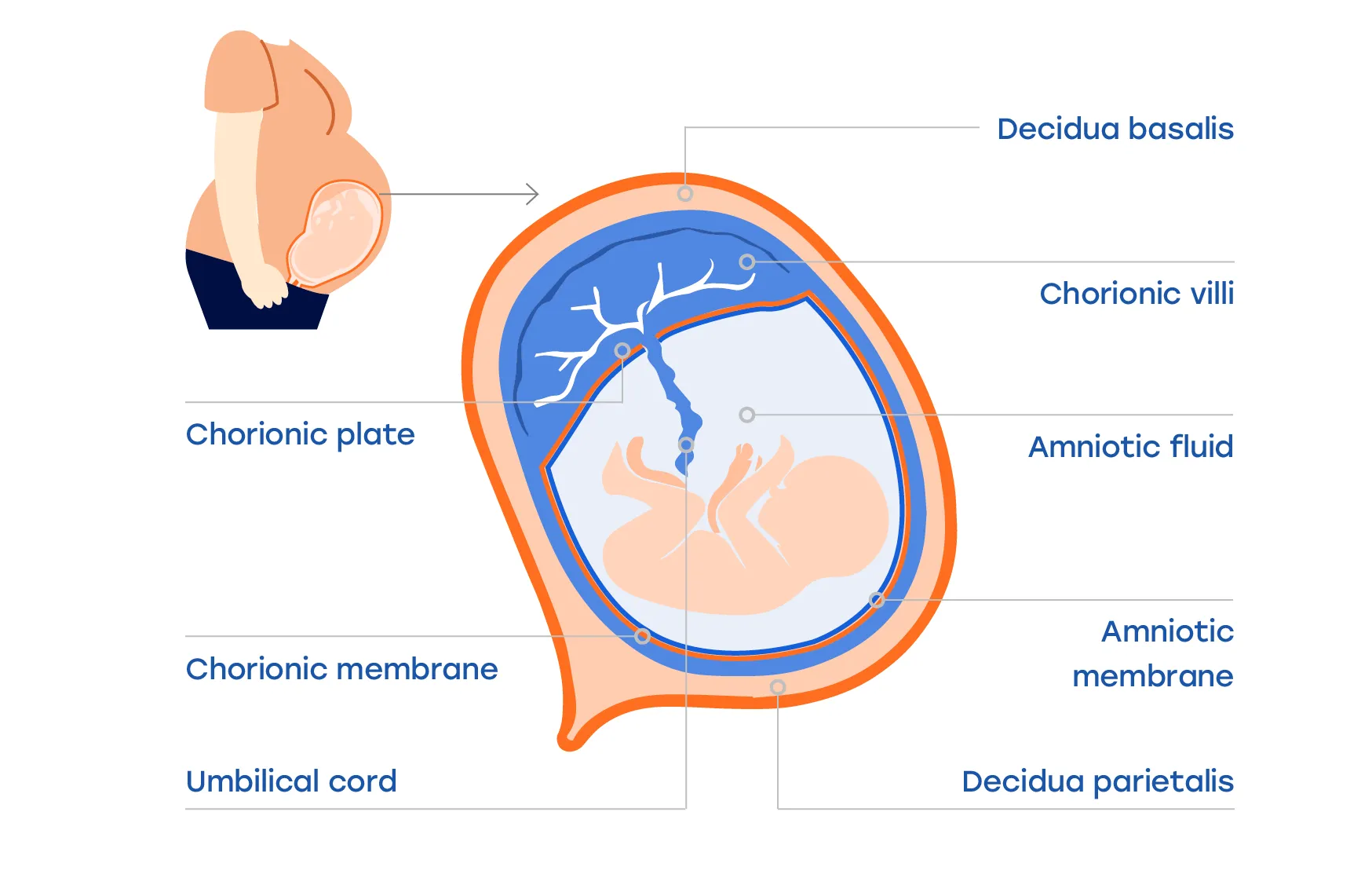
The placenta, usually discarded after birth, is actually one of the richest sources of stem cells in the human body. Placenta banking allows families to store these valuable cells at birth, preserving them for potential future use in regenerative medicine and advanced cell therapies.
Placental stem cells are young, biologically active cells that are being widely studied for their immunomodulatory and regenerative properties. With over 60 clinical trials currently underway worldwide, researchers are exploring their potential role in treating immune disorders, inflammatory conditions, and tissue damage. [1][2]
By storing placental tissue at birth, families may secure access to a powerful source of stem cells that could play an important role in future medical treatments.
What Are Placental Stem Cells?
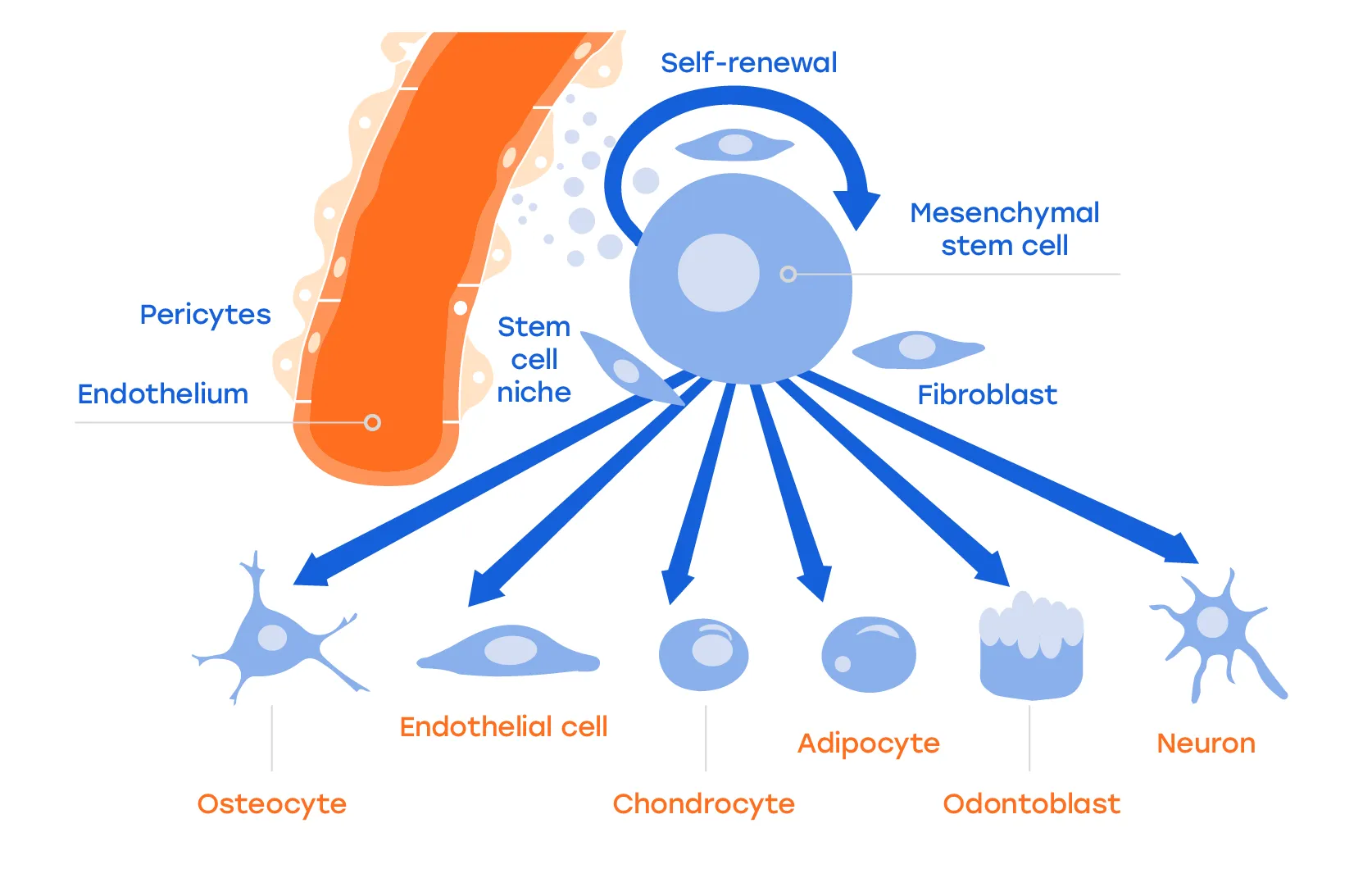
Placental stem cells are primarily mesenchymal stromal cells (MSCs) — multipotent cells capable of self-renewal and differentiation into multiple tissue types. These cells can develop into structures such as bone, cartilage, muscle and connective tissue. [1][4]
Because they originate from perinatal tissue, placental stem cells are:
- Biologically young and highly active
- Rich in regenerative signalling molecules
- Easier to expand in laboratory conditions
- Less likely to trigger immune rejection
These unique characteristics make placental stem cells an exciting area of research in regenerative medicine and advanced therapies. [2]
Why Store Placental Stem Cells?
Placenta banking preserves a valuable biological resource that may support future medical innovations.
Key advantages include:

Low immunogenicity
Placental mesenchymal stem cells are less likely to trigger immune reactions, making them promising candidates for cell therapy. [2][5]
Family compatibility
Stored cells may potentially be used not only by the child but also by compatible family members. [2]
Multiple cell types
Placental tissue contains several populations of stem and progenitor cells, increasing its research and therapeutic potential. [4]
High cell yield
The placenta provides a large volume of tissue, allowing extraction of substantial numbers of stem cells. [1]
Ethically sourced
Placental tissue is normally discarded after birth, meaning collection raises no ethical concerns. [2]
The Science Behind Placental Mesenchymal Stem Cells
Mesenchymal stromal cells derived from the placenta are widely studied because of their ability to influence tissue repair and immune responses.
These cells primarily work through paracrine signalling, releasing factors that communicate with surrounding cells and stimulate regeneration. [2][4]
Research suggests these signalling pathways may support:
- Immunomodulation
- Formation of new blood vessels (angiogenesis)
- Reduction of inflammation
- Prevention of cell death
- Support for tissue regeneration and repair [2][4]
- These properties have made MSCs a major focus of regenerative medicine research.
Clinical Research into Placental Stem Cells
Placental stem cells are currently being investigated in more than 60 clinical trials worldwide.
Areas of research include:
- Immune-related diseases
- Graft-versus-host disease (GvHD)
- Lung injury and pulmonary fibrosis
- Acute respiratory distress syndrome (ARDS)
- Cardiovascular and vascular diseases
- Tissue repair and regenerative medicine
In some studies, placental MSCs have been explored for their anti-inflammatory and immunosuppressive properties, which may help reduce complications following stem cell transplantation. [3]
While many applications are still under investigation, the growing number of trials highlights the rapidly expanding interest in placental stem cell therapies.
Research has also explored their role in promoting angiogenesis and tissue regeneration, particularly in patients with critical limb ischemia. [3]
Placenta Banking and the Future of Regenerative Medicine
The field of regenerative medicine is evolving rapidly, with stem cell therapies becoming an important focus of biomedical research.
Placental stem cells are particularly promising because they combine several key advantages:
- High regenerative potential
- Strong immunomodulatory properties
- Ethical and non-invasive collection
- Large numbers of cells available for research
As scientific understanding continues to grow, placenta banking may provide families with access to a powerful biological resource that could support future medical innovations.
Why Choose Our Placenta Banking?
Choosing a placenta banking provider is about more than storage — it’s about quality, safety, and future usability of the cells. Our approach is designed to ensure that every stored sample meets the highest standards for potential future applications.
Proven Cell Viability: Proliferation Testing
We go beyond standard storage by performing a proliferation test on every sample.
This test evaluates the ability of the stem cells to grow and multiply under controlled laboratory conditions, which is a key indicator of their viability and potential usability in future therapies.
By confirming that the cells are not only present but also biologically active, we provide an additional layer of quality assurance for every stored sample.
GMP-Certified Laboratory & Cell Expansion Capabilities
Our laboratory operates under GMP (Good Manufacturing Practice) certification, ensuring pharmaceutical-grade quality standards.
What this means:
- ● Controlled, sterile processing environment
- ● Full traceability and compliance
- ● Clinical-grade handling standards
Advanced Cell Expansion
We have the capability to expand mesenchymal stem cells from placental tissue, increasing cell numbers while maintaining their properties.
This is essential because many therapies require large quantities of viable cells, making your sample more future-ready.
Dual Storage for Maximum Security
To further protect your sample, we offer dual-location storage.
After processing, samples are securely cryopreserved and stored in separate, geographically distinct facilities, including our dedicated storage site in Portugal.
Benefits of dual storage:
- ● Protection against unforeseen events at a single site
- ● Increased long-term security and redundancy
- ● Peace of mind knowing your sample is safeguarded in multiple locations
This approach ensures that your child’s stem cells are protected under all circumstances.
Advanced Cryopreservation Technology
Your sample is preserved using state-of-the-art cryogenic storage in the gas phase of liquid nitrogen.
This method:
- ● Maintains long-term cell stability
- ● Minimises risk of cross-contamination
- ● Preserves the biological integrity of stem cells over time
Strict monitoring systems are in place 24/7 to ensure optimal storage conditions at all times.
International Quality Standards & Accreditation
We operate according to the highest international standards in stem cell banking.
Our quality commitments include:
- ● AABB-accredited processes (global gold standard in biobanking)
- ● Compliance with international regulatory guidelines
- ● Fully traceable sample handling and processing
- ● Rigorous laboratory quality control and testing protocols
These standards ensure that your sample is handled with the same level of care required for clinical-grade biological materials.
Experience You Can Trust
As part of a leading European stem cell banking network:
- ● Thousands of samples have already been released for clinical use
- ● Operations span across multiple countries
- ● Laboratories operate 24/7, 365 days a year for immediate processing
This experience ensures reliability, expertise, and long-term commitment to advancing stem cell therapies.
Designed for the Future of Medicine
Placenta banking is an investment in future healthcare possibilities. By combining:
- ● Scientifically validated processing
- ● Verified cell viability testing
- ● Secure dual storage
- ● International accreditation
we provide a service designed to meet both today’s standards and tomorrow’s medical advancements.
Scientific References
- Malek A., Bersinger N.A.
Human placental stem cells: biomedical possibilities and clinical significance.
Journal of Stem Cells. 2011;6(2):75-92. - Pethe P., Kale V.
Placenta: A gold mine for translational research and regenerative medicine.
Reproductive Biology. 2021. - Shirbaghaee Z. et al.
Report on a phase I clinical trial evaluating therapy with human mesenchymal stem cells from the placenta in patients with critical limb ischemia.
Stem Cell Research & Therapy. 2023;14(1):174. - Deng X. et al.
Different biological properties of mesenchymal stem cells obtained from different components of the human placenta.
Biochemistry and Biophysics Reports. 2024;39:101739. - Semenova E. et al.
Isolation and characteristics of mesenchymal stromal cells from different parts of placenta.
Journal of Stem Cell Research & Therapy. 2017. - Mesenchymal stem cells derived from perinatal tissues for the treatment of patients with life-threatening ARDS caused by SARS-CoV-2.
Stem Cell Research & Therapy. 2021;12:91.


