Albania
 Bosnia and Herzegovina
 Bulgaria
 Croatia
 Cyprus
 Czech Republic
 Denmark
 Estonia
 Germany
 Hungary
 Italy
Italy
 Kosovo
 Lithuania
 Latvia
 Luxembourg
 Macedonia
 Montenegro
 Poland
 Portugal
 Romania
 Serbia
 Slovaki
 Slovenia
 Spain
Spain
 Switzerland
 Sweden
 Turkey
 United Kingdom
 UAE
UAE
 Hong Kong
 Kuwait
 Lebanon
 South Africa



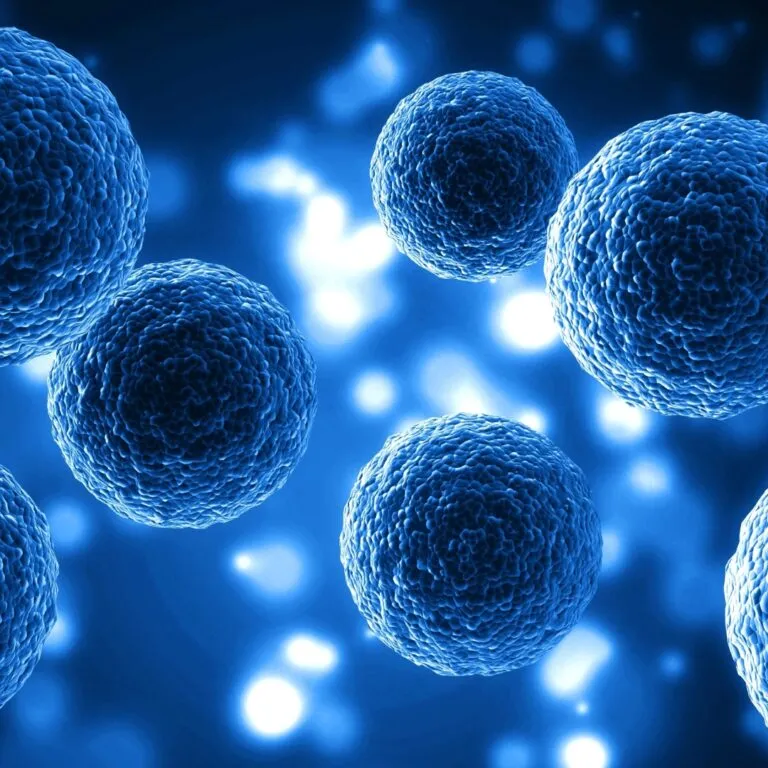
Stem cells play a pivotal role in the human body and in modern medical research. Their unique ability to develop into many different cell types has made them central to advances in regenerative medicine, disease modelling, and the development of potential new treatments for a wide range of diseases.
There are various types of stem cells, each with different characteristics, sources, and levels of flexibility. Some are found naturally within the human body, while others are created or modified in laboratory environments. Some stem cell types are already used in established medical treatments, while others remain the focus of ongoing clinical trials and research.
Here at Smart Cells, our specialism is cord blood stem cells. In short, these are the life-giving cells contained within the blood found in the umbilical cord and tissue at birth. They are currently used to treat more than 80 diseases. You can find out more detail about cord blood stem cells here, or read on to find out how they compare to other stem cells.
We’ve put together this guide to help explain the different types of stem cells, how they compare, and where umbilical cord blood stem cells fit within the wider stem cell landscape, without going too deeply into the complex science behind it all! These are the things that you might need to know if you’re a parent looking at stem cell storage or treatment for your family.
What Are Stem Cells?
Stem cells are undifferentiated cells, meaning they have not yet developed into a specific type of cell such as muscle cells, brain cells, or immune cells. Unlike adult cells that already have a specialised function, stem cells remain flexible and can therefore be used in transplants to create different types of cells depending on how and where they’re needed.
All stem cells share two defining characteristics:
- The ability to self-renew through cell division, creating new stem cells
- The ability to differentiate into specialised cells with specific roles.
These amazing properties allow stem cells to support growth, repair injured tissues, and maintain healthy function across various tissues in the human body.
Why Stem Cells Matter in the Human Body
The human body contains many different cell types, each with a specialised role. For example:
- Red blood cells carry oxygen around the body
- White blood cells and other immune cells help defend against infection
- Muscle cells enable movement
- Brain cells support cognition and communication
Stem cells underpin all of these systems. When cells are damaged, age, or die, stem cells generate new cells to replace them. This ongoing renewal is particularly important in tissues with high turnover, such as blood, skin, and the immune system.
Because of this crucial role, stem cells are central to both everyday health and long-term medical research.

How Stem Cells Are Classified
Stem cells are commonly classified based on their differentiation potential, in simple terms, this means how many different types of cells they can become.
The main types of stem cells include:
- Haematopoietic stem cells (HSCs)
- Mesenchymal stem cells (MSCs)
- Totipotent stem cells
- Pluripotent stem cells
- Multipotent stem cells
- Oligopotent stem cells
- Adult (somatic) stem cells
- Induced pluripotent stem cells (iPS cells)
Each type of stem cell has different capabilities and medical relevance.
Haematopoietic Stem Cells (Blood Stem Cells/HSCs)
Haematopoietic stem cells are among the best-understood stem cell types. They are responsible for producing:
- Red blood cells
- White blood cells
- Platelets
- Other immune cells
These blood stem cells are found in bone marrow, peripheral blood, and umbilical cord blood.
Umbilical Cord Blood Stem Cells
Umbilical cord blood is a particularly valuable source of haematopoietic stem cells collected at birth.
Cord blood stem cells are:
- Young and highly adaptable
- Less likely to trigger a strong immune response
- Associated with a lower risk of graft-versus-host disease
These characteristics mean cord blood stem cells can sometimes be used for family members even when a perfect match is not available.
Cord blood banking allows these blood stem cells to be preserved at birth for potential future use in established treatments and emerging stem cell therapies.
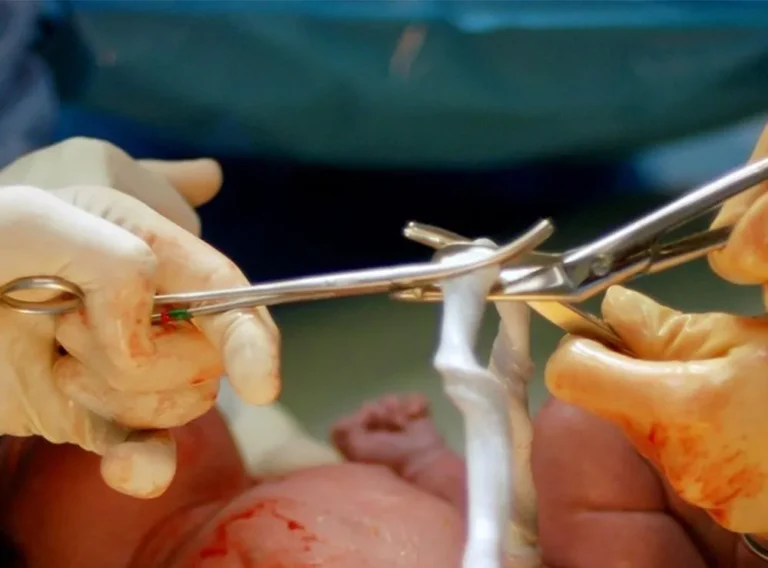
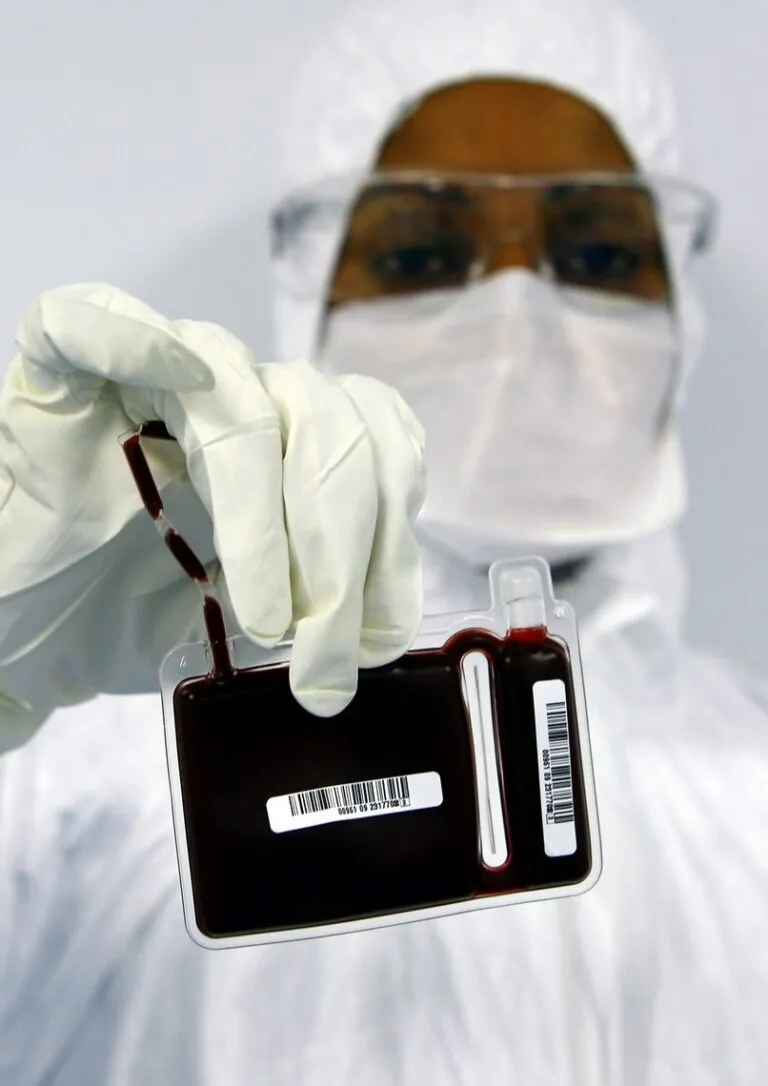
This is where we come in. Smart Cells collects cord blood that would otherwise be thrown away at birth quickly and painlessly. The haematopoietic stem cells are extracted from the cord blood and safely stored at our facility where they will remain until they may be needed.
These cells are already used in treatments such as:
- Bone marrow transplants
- Allogeneic stem cell transplant procedures
- Treatment of blood disorders such as aplastic anemia
- Certain cancers, including non-Hodgkin lymphoma
Because haematopoietic stem cells can regenerate the blood and immune system, they are essential in recovery following chemotherapy or radiation therapy.
Mesenchymal Stem Cells (MSCs)
Mesenchymal stem cells are another type of multipotent stem cell found in various adult tissues.
They are commonly found in:
- Bone marrow
- Adipose tissue
- Umbilical cord tissue
- Other adult tissues
Mesenchymal stem cells can differentiate into bone, cartilage, muscle cells, and fat cells. They are widely studied for their role in tissue repair, immune response regulation, and regenerative medicine, particularly in research into cardiovascular diseases and injured tissues.
These cells are fascinating as they are also contained in cord tissue, which here at Smart Cells, we can also collect at birth to give you more options for treatment. If you’re considering storing your baby’s stem cells at birth, you can consider both cord blood and cord tissue. Here is a blog post on cord tissue vs cord blood that may help you make that decision.
Totipotent Stem Cells
Totipotent stem cells are the most flexible of all stem cell types.
Totipotent cells can:
- Develop into all cell types required to form a complete human organism
- Give rise to both the embryo and supporting structures such as the placenta
In humans, totipotent stem cells exist only briefly after fertilisation. Because they are present for such a short time and are associated with the earliest stages of development, they are not used in medical treatments or stem cell therapies.
Their importance lies mainly in understanding early development and how the germ layers form.
Pluripotent Stem Cells
Pluripotent stem cells can develop into almost any type of specialised cell in the human body, but they cannot form the placenta.
Human Embryonic Stem Cells (hESCs)
Human embryonic stem cells come from the inner cell mass of a blastocyst, an early-stage embryo. These cells can differentiate into cells from all three germ layers, allowing them to form:
- Brain cells
- Heart and muscle cells
- Blood vessels
- Other specialised cells across different tissues
Because of this wide differentiation potential, embryonic stem cells have played an important role in stem cell research and disease modelling.
However, their use raises ethical issues because it involves human embryos. These ethical concerns have shaped legislation and funding decisions in the United States and other countries, leading researchers to explore alternative stem cell sources. When you hear that there are ethical debates around stem cells, these are the types of cells they’re talking about.
Multipotent Stem Cells
Multipotent stem cells can differentiate into multiple, but closely related, types of specialised cells within a specific tissue system.
They play a crucial role in maintaining and repairing tissues throughout life and are already used in established medical treatments.
Oligopotent and Adult (Somatic) Stem Cells
Oligopotent stem cells are more limited than multipotent stem cells and can differentiate into only a few specific cell types. Adult stem cells, also known as somatic stem cells or tissue-specific stem cells are found throughout adult tissues.
They exist in areas such as:
- Bone marrow
- Skin and hair follicles
- Brain (neural stem cells)
- Muscle and digestive tissues
These stem cells help maintain tissue health and replace damaged cells within specific tissues rather than across the whole body.
Induced Pluripotent Stem Cells (iPS Cells)
Induced pluripotent stem cells, often shortened to iPS cells, are adult somatic cells that have been reprogrammed back into a pluripotent state. This was a discovery made showing that adult cells could, in fact, regain stem cell-like properties.
iPS cells are important because they:
- Avoid many ethical concerns associated with embryonic stem cells
- Can be created from adult tissues
- Share many characteristics with pluripotent stem cells
Today, iPS cells are widely used in medical research, particularly in disease modelling, drug testing, and early-stage regenerative medicine. They are still largely experimental and not yet widely used in routine clinical treatments.
Stem Cells in Regenerative Medicine and Therapy
Stem cells are central to regenerative medicine because of their ability to form new cells and support the repair of injured tissues.
Current areas of interest include:
- Blood disorders and immune system diseases
- Heart disease and cardiovascular diseases
- Spinal cord injuries and spinal cord injury research
- Neurological conditions involving brain cells
While some stem cell therapies are well established, many newer approaches remain in clinical trials to better understand effectiveness, safety, and potential side effects.
Ethical Considerations in Stem Cell Research
Ethical concerns vary depending on the type of stem cell used.
- Human embryonic stem cells raise ethical issues due to embryo use
- Adult stem cells and cord blood stem cells are widely accepted
- iPS cells offer a promising ethical alternative
These considerations influence how stem cell research is regulated and funded worldwide.
How Different Stem Cell Types Compare
| Stem Cell Type | Differentiation Potential | Source | Current Medical Use |
| Totipotent | All cell types (including placenta) | Early embryo | Research only |
| Pluripotent | Almost all cell types | Embryos / iPS cells | Research |
| Multipotent | Related tissues | Cord blood, bone marrow | Established |
| Oligopotent | Few cell types | Adult tissues | Limited |
| Adult stem cells | Tissue-specific | Adult tissues | Repair & maintenance |
| Haematopoietic stem cells | Blood and immune cell types | Umbilical cord blood, bone marrow | Established (e.g. blood disorders, transplants) |
| Mesenchymal stem cells (MSCs) | Bone, cartilage, muscle, fat and connective tissues | Cord tissue, bone marrow, adipose tissue | Research and clinical trials |
The Role of Cord Blood in the Wider Stem Cell Landscape
Umbilical cord blood stem cells sit at a unique intersection between established medicine and future innovation. They are already used in life-saving treatments, ethically collected, and stored at birth for potential future use.
For families considering long-term health planning, cord blood represents a way to preserve young, powerful stem cells at a moment in life that cannot be recreated later.
If you’re interested in knowing more about the options for storing your family’s stem cells, take a look at our free guide.
Rate this article: