Albania
 Bosnia and Herzegovina
 Bulgaria
 Croatia
 Cyprus
 Czech Republic
 Denmark
 Estonia
 Germany
 Hungary
 Italy
Italy
 Kosovo
 Lithuania
 Latvia
 Luxembourg
 Macedonia
 Montenegro
 Poland
 Portugal
 Romania
 Serbia
 Slovaki
 Slovenia
 Spain
Spain
 Switzerland
 Sweden
 Turkey
 United Kingdom
 UAE
UAE
 Hong Kong
 Kuwait
 Lebanon
 South Africa



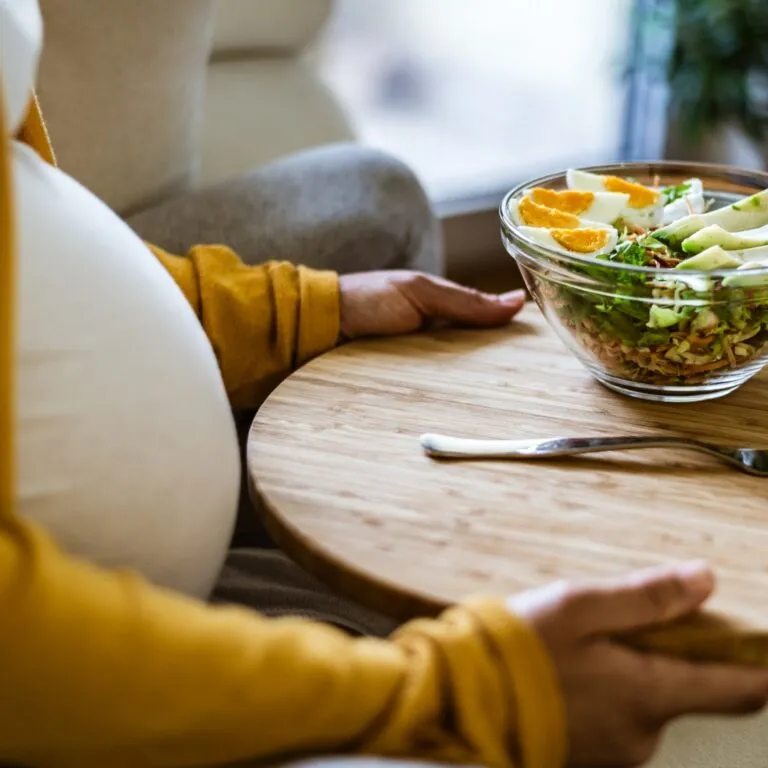
Pregnancy is an exciting time filled with anticipation, lots of planning, and an overwhelming amount of unsolicited advice!
Pregnancy is an exciting time filled with anticipation, lots of planning, and an overwhelming amount of unsolicited advice! From the moment that test turns positive, it can feel like you have suddenly inherited a massive rulebook on what you can and cannot do. While some warnings are vital for a healthy pregnancy, others are nothing more than old wives’ tales that cause unnecessary stress.
To help you separate fact from fiction, we have put together the ultimate guide to navigating pregnancy restrictions. We will cover the real, science-backed things to avoid, break down the silly myths you can safely ignore, and bust the massive misconceptions about decisions you will make at the very end, including banking your new baby’s stem cells.
The Hard and Fast Rules: What to Actually Avoid
Let’s start with the non-negotiables. Pregnancy hormones and a changing body mean that certain foods, activities, and environmental factors pose real health problems for your developing fetus. Here is what expectant mothers actually need to skip out on or be wary of to ensure a risk-free nine months.
High-Risk Foods and Foodborne Illness
Eating a healthy balanced diet during pregnancy will help keep both you and your little one in the best health. But your immune system shifts during pregnancy to protect your growing baby, which unfortunately makes pregnant people much more susceptible to foodborne illness. So while certain food items might make up your usual healthy balanced diet, they might be off the menu during pregnancy.
- Deli Meats and Lunch Meats: Cold cuts, hot dogs, and lunch meats from a deli can harbor Listeria, bacteria that survives refrigeration. Listeria can cross the placenta, causing a high risk of miscarriage, premature birth, or severe infection in an unborn child. If you are craving your usual sandwich, the best thing to do is heat the meat until it is steaming hot before eating.
- Soft Cheeses and Raw Milk: Unpasteurised soft cheeses like brie, camembert, and feta can also carry Listeria. Stick to pasteurised options to protect your unborn baby.
- Raw Fish, Raw Meat, and Raw Eggs: Sushi lovers will need to take a break from raw fish and raw oysters. Raw or undercooked meat and raw eggs (often found in homemade mayo or fresh cookie dough) carry a higher risk of Salmonella and E. coli. Cooking these foods thoroughly is the best way to prevent complications.
- High Levels of Mercury: While eating fish is a great way to get essential fatty acids for your baby’s brain development, certain fish contain dangerous amounts of mercury. Avoid large predators like shark, swordfish, tilefish, and king mackerel, as mercury can damage a developing baby’s nervous system. Oily fish (like salmon, mackerel and trout) should only be eaten twice a week, and tuna limited too – 2 tuna steaks or 4 tins of tuna per week is the NHS recommendation.
Why Heat Matters
Maintaining a stable body temperature is crucial, particularly during the first trimester when the unborn baby’s organs and neural tube are forming.
Relaxing in a hot tub, taking very hot baths, or practicing hot yoga can raise your core body temperature above 38c (or 101 degrees Fahrenheit). When your temperature stays that high for a long time, it increases the risk of neural tube birth defects like spina bifida.
Stick to a comfortable water temperature for your showers, keep hot water baths brief, avoid hot tubs and saunas, and avoid any physical activity that causes you to overheat.
Sports and Physical Activities to Pause
Staying active is fantastic for a healthy pregnancy, but your changing centre of gravity means your risk of injury is much higher. As pregnancy hormones loosen your joints, you lose a bit of your usual stability.
- Contact Sports: Activities like football, basketball, rugby, or hockey carry a high risk of complications from direct abdominal trauma.
- Activities with a Risk of Falling: Horseback riding, downhill skiing, and vigorous gymnastics should be paused. A fall from a horse or a ski slope poses a greater risk of placental abruption.
- Scuba Diving: This is a strict no. The pressure changes can cause decompression sickness in the developing fetus, as the fetal lungs cannot filter out gas bubbles.
- High Altitudes: Unless you live there, traveling to high altitudes (above 10,000 feet) can reduce the oxygen supply to your baby, especially during the second trimester and third trimester when oxygen demands are highest.
Toxoplasmosis and the Litter Box
If you have indoor cats, you have probably heard that kitty litter is dangerous during pregnancy. This is actually true, thanks to a parasite called Toxoplasma gondii, which causes an infection called toxoplasmosis.
The parasite is shed in cat feces. If a pregnant person contracts toxoplasmosis for the first time during pregnancy, it can cause vision loss and intellectual disabilities for the child later in life.
Luckily for you, the solution is easy! Have someone else clean the cat litter box. If you must do it yourself, wear gloves and wash your hands thoroughly afterward.
Substance Restrictions and Medical Safety
- Alcohol and Tobacco: There is no known safe amount of alcohol during pregnancy. Drinking alcohol can lead to fetal alcohol syndrome, causing lifelong developmental delays. Smoking, and even secondhand smoke inhalation, increase the risk of low birth weight and premature birth.
- Illegal Drugs: Exposure to illegal drugs can cause severe health problems, addiction at birth, and placental complications.
- Caffeine Limits: You do not have to give up your morning coffee entirely, but managing how much caffeine you drink is smart. The American College of Obstetricians recommends limiting intake to under 200mg of caffeine per day (about one 12-ounce cup of coffee) to reduce the risk of miscarriage or low birth weight.
- X-Rays and Scans: While standard dental X-rays are generally safe with proper shielding, major abdominal CT scans should be avoided unless absolutely necessary, as high levels of radiation carry potential risks for a developing fetus.
- Chemical Exposure: Avoid heavy exposure to paint fumes and strong household solvents in poorly ventilated rooms. If you are decorating the nursery, let someone else do the painting!
Pregnancy Myths: What You Can Actually Stop Worrying About
Now that we have covered the real rules, let’s look at the things people tell pregnant women that are completely false. You can safely cross these off your worry list.
Myth 1: You have to eat for two
This is perhaps the most pervasive myth of all! While it sounds like a great excuse to order two pizzas, eating for two usually leads to gaining too much weight, which can increase your risk of gestational diabetes and high blood pressure.
During the first trimester, you actually need zero extra calories. In the second trimester, you need about 340 extra calories, and in the third trimester, that goes up to around 450 calories (roughly the equivalent of an apple and a handful of almonds). Focus on a balanced diet rich in healthy foods rather than double portions and eating when you feel hungry.
Myth 2: You shouldn’t exercise or do strength training
Unless your healthcare provider has put you on bed rest, skipping physical activity entirely is a bad idea. Regular exercise improves blood flow, reduces morning sickness, and builds the stamina you will need for labour. Strength training is perfectly safe as long as you do not lie flat on your back for long periods of time after the first trimester, as the weight of the uterus can compress major blood vessels and reduce blood flow to your heart and baby.
Myth 3: You can’t dye your hair or paint your nails
Many pregnant people worry about the chemicals in hair dye and nail polish. Modern research shows that very little chemical exposure actually penetrates the skin during a standard salon visit. As long as the salon is well-ventilated so you aren’t breathing in fumes that trigger your morning sickness, getting pampered is perfectly fine.
Myth 4: You should avoid getting the flu shot
The exact opposite is true. Getting your flu vaccine is one of the best things you can do and is recommended by the NHS, especially if you’re pregnant over the winter. Pregnancy changes your immune system, putting you at a greater risk of severe complications from the flu. The vaccine protects both you and your baby, passing on immunity that lasts for the first few months of their life.
Myth 5: Sleeping on your back is dangerous from day one
While it is true that you should avoid sleeping flat on your back during the late second trimester and third trimester, it is totally fine in the early weeks. Sleep however you are comfortable during the first trimester while your uterus is still small.
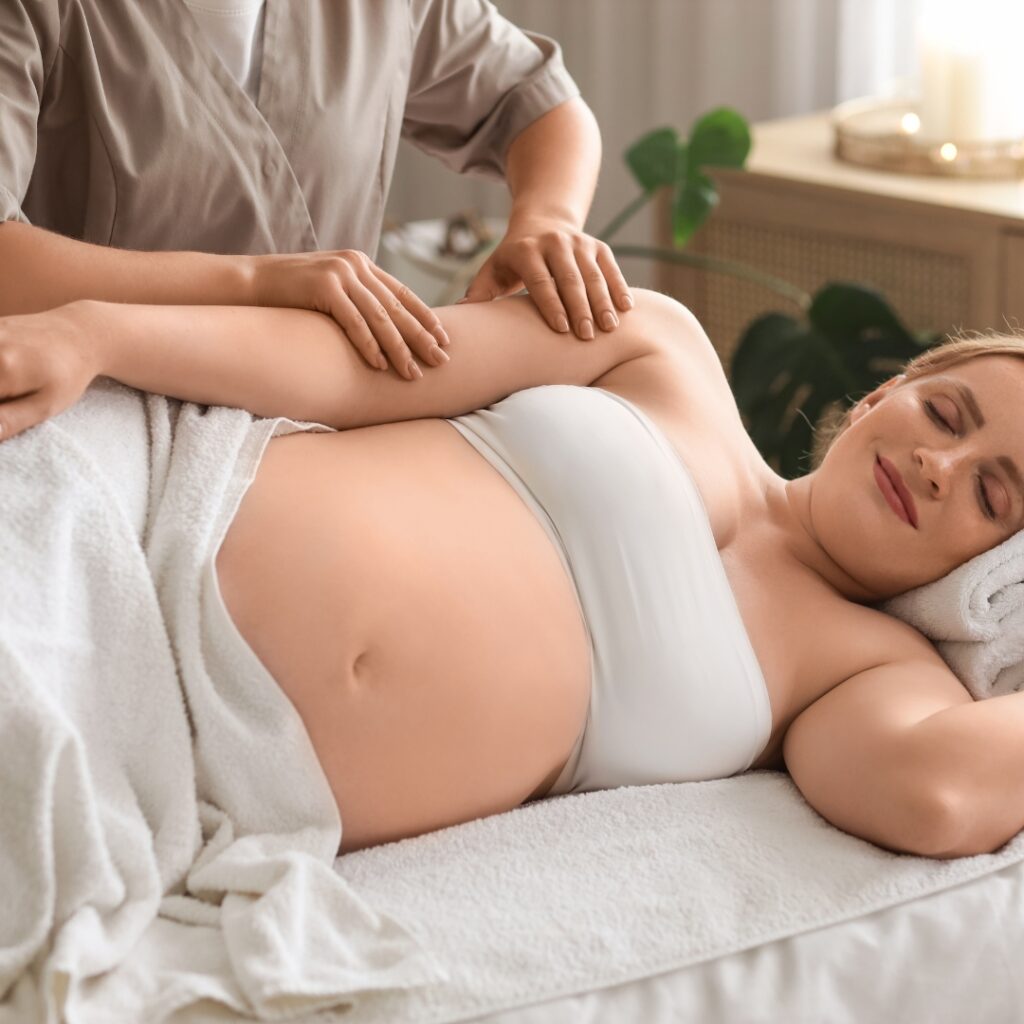
Myth 6: You cannot get a massage while pregnant
Many expectant mothers believe that getting a massage during pregnancy can trigger premature labour or harm the baby. Because of this fear, plenty of aching pregnant people miss out on much-needed lower back pain relief.
The truth is that prenatal massage is entirely safe and highly beneficial. It can lower your blood pressure, reduce your stress hormones, and improve overall blood flow.
You just need to follow two simple rules for safety. First, always make sure your therapist is specifically certified in prenatal massage, as they know exactly which pressure points to avoid. Second, once you are past your first trimester, you should not lie flat on your back during the massage. A professional therapist will use specialised pillows to keep you comfortably propped up on your side so that you do not compress your major blood vessels.
Myth 7: Cord Blood Banking Hurts
As you approach the end of your pregnancy, your focus will shift toward the birth and the future of your new baby. This is the best time to think about stem cell banking.
Stem cells found in your baby’s umbilical cord blood and tissue are incredibly powerful. They can be used to treat over 80 different health conditions, including leukaemia, anaemia, and immune system deficiencies.
However, many expectant mothers hesitate to look into this option because of a major myth: people say it hurts, or that it interferes with the birth.
Fact: The stem cell collection process is completely painless and safe
The idea that cord blood collection hurts the mother or the baby is entirely false. By the time the stem cells are collected, the birth is already over. The baby has been delivered, the umbilical cord has been clamped and cut, and the baby is safely in your arms. The collection happens from the part of the cord that is still attached to the placenta after it has been delivered. Because there are no nerve endings in the umbilical cord, neither you nor your newborn will feel a single thing.
Fact: It doesn’t take away from your birth experience
Another common worry is that banking stem cells means you cannot do delayed cord clamping or experience the golden hour after birth with your baby. At Smart Cells, we work alongside your care team to ensure you can still have the birth experience you want. Even with delayed cord clamping, there is usually plenty of blood left in the cord to collect a highly valuable sample of stem cells.
What You Should Do
While you are busy avoiding certain things, your care team will also give you a list of proactive steps to take. Ensuring a healthy pregnancy involves a few simple daily habits:
- Take Prenatal Vitamins: Even with a healthy diet, getting enough folic acid is vital. Folic acid prevents major neural tube birth defects. Look for a vitamin that also includes vitamin D and iron.
- Stay Hydrated: Water supports the increased blood volume in your body and helps form the amniotic fluid around your baby.
- Keep Your Healthcare Provider Informed: Every pregnancy is unique. Always discuss any sudden lifestyle changes, travel plans, or unusual symptoms with your healthcare provider.
Trust Your Instincts
Navigating the dos and don’ts of pregnancy can feel overwhelming, but a little bit of common sense goes a long way. Eat well, stay active, skip the high-risk foods and extreme sports, and enjoy this incredible journey!
When it comes to preparing for your baby’s arrival, separating myths from medical facts helps you make the best choices for your growing family. Protecting your child starts now, and exploring options like cord blood banking is an excellent painless way to secure their future health.
Rate this article: