Albania
 Bosnia and Herzegovina
 Bulgaria
 Croatia
 Cyprus
 Czech Republic
 Denmark
 Estonia
 Germany
 Hungary
 Italy
Italy
 Kosovo
 Lithuania
 Latvia
 Luxembourg
 Macedonia
 Montenegro
 Poland
 Portugal
 Romania
 Serbia
 Slovaki
 Slovenia
 Spain
Spain
 Switzerland
 Sweden
 Turkey
 United Kingdom
 UAE
UAE
 Hong Kong
 Kuwait
 Lebanon
 South Africa




Let’s talk about the wonderfully bizarre, completely normal things your body and mind might do after birth, because knowing what’s coming makes it all a little easier to embrace!
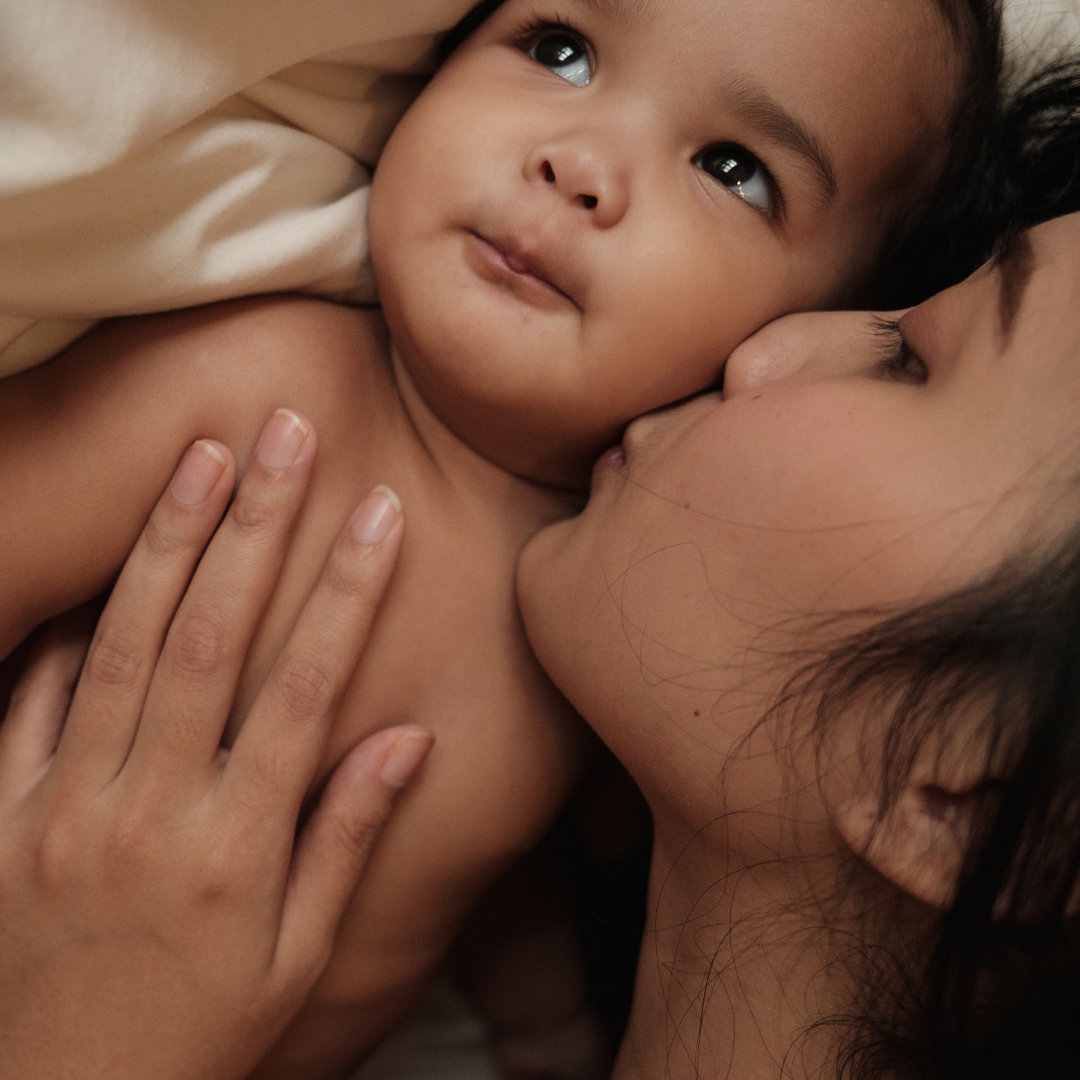
Bringing a baby into the world is magical, overwhelming, and can feel like a bit of a strange time. While much is said about sleepless nights and nappy changes, there are some truly unexpected postpartum experiences that do not get enough airtime. The postpartum period is one of the most transformative times in a woman’s life, filled with significant changes that affect both the body and the mind. Knowing what is coming makes it all a little easier to embrace, helping you navigate the first weeks postpartum with confidence.
[Post updated June 2026]
The Realities of Physical Recovery
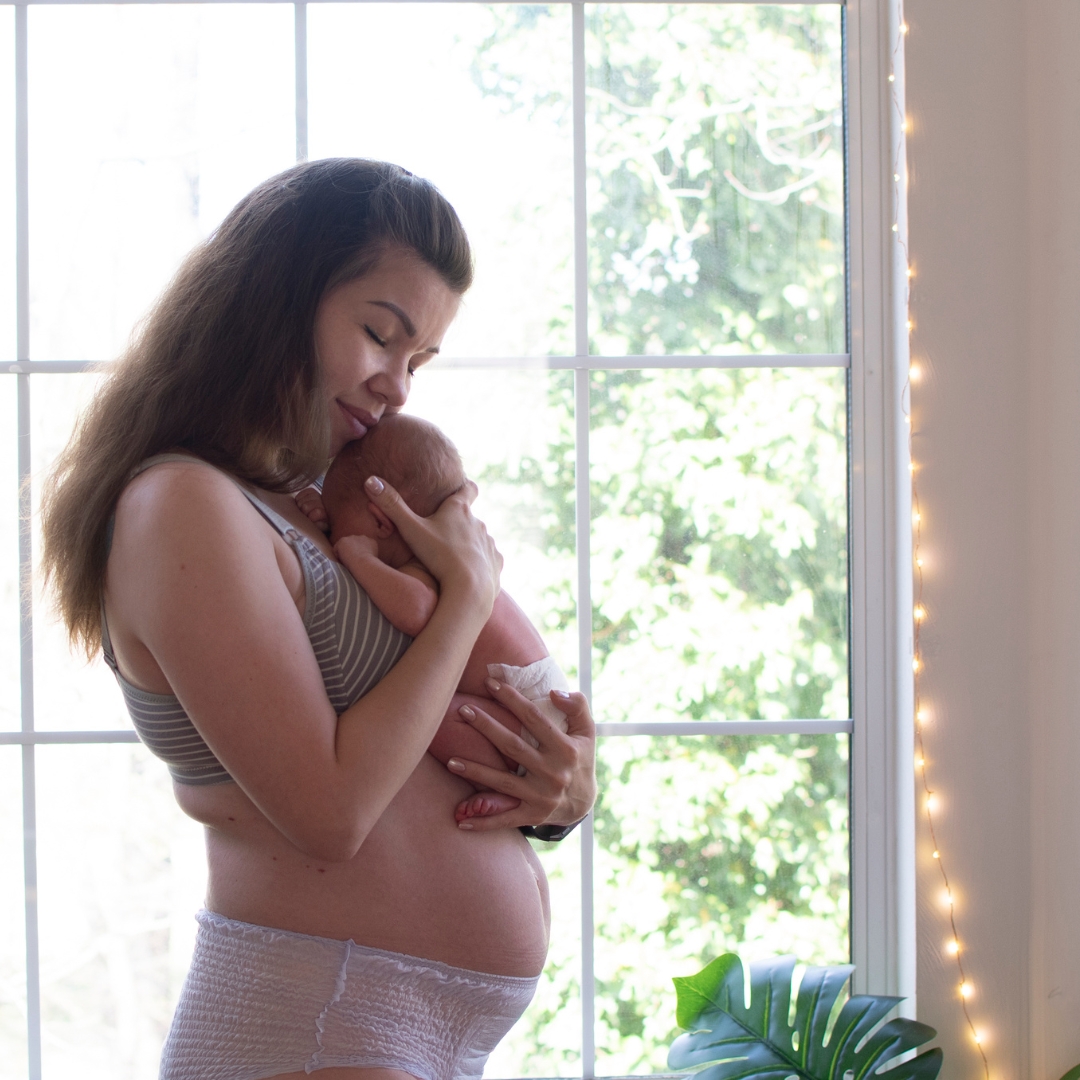
The first thing to understand is that postpartum physical recovery takes time. Whether you had a vaginal delivery or a c-section recovery isn’t always straightforward. Your body has spent nine months growing a human being, and it cannot return to its pre-pregnancy size overnight. Many new mothers are surprised by the appearance of their postnatal belly band or the fact that they still look a few months pregnant after giving birth. This is entirely normal as the uterus gradually shrinks back to its original size.
For those who had a vaginal birth, perineal soreness is a very common part of the postpartum journey. Managing this discomfort requires proper care and patience. Using a peri bottle filled with warm water to cleanse the area after using the toilet can provide immense relief. Your healthcare provider may also suggest safe pain medication to help manage the discomfort during the initial stages of postpartum recovery.
If you underwent a c-section, it is crucial to remember that you are recovering from major surgery. This requires extra rest and a restriction on heavy physical activity to ensure the incision heals correctly.
Hormonal Shifts and Emotional Changes
The dramatic hormonal fluctuations that occur immediately after birth are responsible for a wide array of emotional changes. Within days of delivering your baby, your estrogen and progesterone levels drop sharply. This sudden shift is the primary cause of the baby blues, which affect a large percentage of new mums. You might find yourself crying over anything, from a particularly moving television advert to a beautifully folded piece of clothing.
While the baby blues typically subside within the first two weeks, some women experience postpartum depression or postpartum anxiety which can affect their mental health for a longer period of time and more intensely than the baby blues. These are serious health conditions that require guidance from a health care provider. Symptoms can include persistent feelings of sadness, severe mood swings, intense worry, and even intrusive thoughts that make it difficult to care for yourself or your new baby. In rare cases, a more severe mood disorder known as postpartum psychosis can develop, which is a medical emergency that requires immediate intervention. It is important to know that experiencing these challenges does not make you bad mothers. Seeking treatment options, which may include therapy or medication, is the best thing you can do for yourself and your whole family.
You Might Smell Different
Your body is an incredible machine, and after birth, it goes into overdrive to help you bond with your new baby. One quirky way it does this is by slightly altering your natural scent. Many new mums notice they smell different, often stronger, in the weeks after birth. This is driven by hormonal changes designed to help newborns, who rely heavily on their sense of smell, recognise and stay close to you. This unique postpartum truth is completely normal and temporary.
Your Hair Has a Mind of Its Own
You might have had the thickest, shiniest hair of your life during pregnancy, only to find clumps of it shedding a few months postpartum. This hair loss is just your body returning to normal after holding onto extra hair during the months of pregnancy. Many women also find that their hair changes texture or even colour after giving birth. Straight hair might go wavy, curls can loosen, and some mums even discover new greys. Think of it as a little postpartum surprise as your hormones recalibrate! Continuing to take your prenatal vitamins after birth, if advised by your doctor, can sometimes help support your body through these physical changes.
Phantom Kicks Are a Thing
Miss feeling your baby kicking around inside? You might get a little reminder through phantom kicks. Many mums report feeling movements in their belly months or even years after giving birth. It is usually just muscle memory or just your digestive system at work, but it can be a surreal experience that might give you a little surprise during your daily routine.
You Might Wake Up Soaking
And it is not just from milk! Postpartum night sweats can be surprisingly intense. Your body works incredibly hard during the first few weeks to flush out all the extra fluids it retained during pregnancy, and it often does this through intense sweating at night. If you wake up drenched, do not panic. It is just your body dealing with the hormonal shifts. Keeping cool, wearing breathable fabrics, and staying well hydrated will help this period of time pass more comfortably.
Your Feet Could Grow (and Stay That Way!)
Pregnancy hormones relax your ligaments, not just for birth but all over your body. This includes your feet, which may flatten and lengthen under the extra weight carried during pregnancy. Some women find their feet grow up to a whole shoe size, and for some, it is a permanent change. It is the perfect excuse to treat yourself to comfortable new shoes that fit your new postpartum body.
Breastfeeding Can Give You the Chills
You expect warmth and bonding with breastfeeding, but did you know it can also cause sudden shivers? Known as let-down chills, this happens due to a rapid shift in hormones when milk production begins and milk is released. Some mums get goosebumps, while others feel a wave of cold or an odd tugging feeling. As breast milk comes in, you may also experience breast fullness, which can feel heavy and uncomfortable at first. It is not the same for everyone, so it might feel a little strange, but it is a totally normal reaction to your changing body.
Your Taste Buds Might Change
Craving food you used to hate, or suddenly disliking an old favourite? Just like during pregnancy, postpartum hormones can mess with your taste preferences. Some new mums even find they develop a sweet tooth or even a loose one (looking after your dental health is important during pregnancy!) while pregnant or after giving birth. Eating a balanced diet during pregnancy rich in whole grains can help stabilise your blood sugars and keep your energy level steady during the newborn days, which is especially important when you are facing a severe lack of sleep.
Navigating the Fourth Trimester and Postpartum Complications
The first twelve weeks after birth are often referred to as the fourth trimester. This is a time of immense transition for both you and your infant. Amidst the joy of welcoming a healthy baby, new parents must also remain vigilant about their health. While most physical symptoms are a normal part of the healing process, certain signs require immediate medical attention.
Vaginal bleeding, or lochia, is a normal part of physical recovery and can last for several weeks. However, if you notice a very large clot or experience bleeding that heavily saturates a pad in an hour, you should contact your healthcare provider immediately. It is also important to be aware of the risks of deep vein thrombosis, which can present as swelling, redness, or pain in a single leg. If you experience chest pain or shortness of breath, seek emergency medical care, as these can be signs of serious postpartum complications.
Rebuilding Strength and Structural Integrity
The physical impact of pregnancy can leave lasting changes on your muscular system. Many women experience diastasis recti, which is a separation of the abdominal muscles, or find themselves dealing with urinary incontinence when coughing or laughing. This is where a physical therapist specialising in postpartum care can be incredibly helpful. They can guide you through gentle exercises to strengthen your pelvic floor and core muscles safely before you return to your usual regular physical activity.
As you progress through your first year, you may also need to attend routine medical appointments, such as a pap smear test, to ensure your long-term health is monitored correctly. Discussing future family planning and birth control pills or other options with your healthcare professional is also a standard part of ongoing postnatal care that will often be discussed even before you’ve left the hospital or at your first postnatal midwife appointment – many don’t realise they’ll be asked about these plans so soon and it takes them by surprise!
The Importance of a Support Network
Surviving and thriving during the most challenging phase of early motherhood requires a reliable network of support. Do not hesitate to lean on family members or your best friend for help with daily tasks, cooking, or watching the baby while you rest. For those who need additional support, hiring a postpartum doula can provide expert guidance on newborn care and maternal recovery.
In the modern age, social media can sometimes paint an unrealistic picture of postpartum life, focusing solely on rapid weight loss and perfect routines. The good news is that more women are now sharing the authentic postpartum truth online, creating a community where new mothers can feel seen and validated.
An Unexpected Surge of Confidence
It is not all weird symptoms and challenges; many new mums report feeling an incredible boost in self-confidence. Whether it is from the sheer power of having grown and birthed a human, or from a completely new perspective on life, the postpartum period can bring a fresh sense of purpose and strength. The most important thing to remember is that your body is amazing, and you are doing an incredible job.
The postpartum period is full of surprises. While some might feel strange or unexpected, they are all part of the incredible journey your body and mind go through after birth. Whether you are feeling chilly from breastfeeding, buying bigger shoes, or crying over a particularly moving TV advert, know that you are not alone in this experience. Your body is doing exactly what it needs to do to heal and care for your baby, and with the right support, you can navigate this phase with grace and strength.
Rate this article: