Albania
 Bosnia and Herzegovina
 Bulgaria
 Croatia
 Cyprus
 Czech Republic
 Denmark
 Estonia
 Germany
 Hungary
 Italy
 Kosovo
 Lithuania
 Latvia
 Luxembourg
 Macedonia
 Montenegro
 Poland
 Portugal
 Romania
 Serbia
 Slovaki
 Slovenia
 Spain
 Switzerland
 Sweden
 Turkey
 United Kingdom
 UAE
 Hong Kong
 Kuwait
 Lebanon
 South Africa
Transplant stories
Real Treatments. Real Families. Real Hope.
Smart Cells was the first private UK stem cell bank to release samples for transplant — proving that family cord blood banking is not just about storage, but about delivering real therapies when they are needed most.
Why Stem Cell Transplants Matter
At some point in life, your child or family member may need access to stem cell therapy. Today, these treatments are being used for:
- Blood cancers such as leukaemia and lymphoma
- Inherited genetic disorders including thalassemia and sickle cell disease
- Neurological conditions such as cerebral palsy and brain injury
- Immune deficiencies and metabolic disorders
- Emerging therapies for sports injuries, inflammatory conditions, and skin repair
By preserving your baby’s umbilical cord blood and tissue, you safeguard access to these life-saving and life-enhancing possibilities.
Proven Track Record
Smart Cells has released more stem cell samples for treatment than any other private UK bank, with a 100% success rate for every sample delivered to clinicians worldwide.
These samples have helped children and families across the globe face illnesses such as:
- Cerebral Palsy
- Thalassemia
- Leukaemia
- HSV Encephalitis
- Immune system disorders
Each transplant is more than a statistic — it represents a child given new options, and a family given hope.
A Milestone for Families and for Science
Every successful release shows how far the field of stem cell research has advanced. What was once only a possibility is now a proven therapy.
Yet many parents are still unaware of the benefits of storing their baby’s cord blood and tissue. Smart Cells is working to change that — by raising awareness, sharing real transplant stories, and supporting research into the next generation of regenerative treatments.
Powered by FamiCord: Europe’s Stem Cell Leader in banking and use of cells
As part of the FamiCord Group, Europe’s largest family stem cell bank and one of the world’s top three:
- Families gain access to 1,000,000+ stored cord blood units across the network
- Therapies are supported by specialist research centres and clinical teams in 35+ countries including FamiCord Programme for brain disorders
- FamiCordTx, the group’s advanced therapies division, is actively developing new cell-based treatments to extend the possibilities for families everywhere
Together, Smart Cells and FamiCord stand at the forefront of innovation, offering parents confidence today — and hope for tomorrow.
FamiCord Group releases
Patients
7800+

| No. | Source | Source type | Diagnosis | Medical sector | Year of application | Therapy | Country | Age of the recipient |
|---|---|---|---|---|---|---|---|---|
| 8801 | Apheresis | Autologous | Plasmacytoma | Hematology | 2008 | Standard Therapy | Germany | 60 |
| 8802 | Apheresis | Autologous | Plasmacytoma | Hematology | 2008 | Standard Therapy | Germany | 67 |
| 8803 | Apheresis | Autologous | Plasmacytoma | Hematology | 2008 | Standard Therapy | Germany | 68 |
| 8804 | Apheresis | Autologous | Plasmacytoma | Hematology | 2008 | Standard Therapy | Germany | 57 |
| 8805 | Apheresis | Autologous | Plasmacytoma | Hematology | 2008 | Standard Therapy | Germany | 62 |
| 8806 | Apheresis | Autologous | Plasmacytoma | Hematology | 2008 | Standard Therapy | Germany | 63 |
| 8807 | Apheresis | Autologous | Plasmacytoma | Hematology | 2008 | Standard Therapy | Germany | 66 |
| 8808 | Apheresis | Allogeneic | Refractory Acute Myeloid Leukemia | Hematology | 2008 | Standard Therapy | Germany | 71 |
| 8809 | Apheresis | Allogeneic | Secondary Acute Myeloid Leukemia | Hematology | 2008 | Standard Therapy | Germany | 53 |
| 8810 | Apheresis | Allogeneic | Secondary Acute Myeloid Leukemia | Hematology | 2008 | Standard Therapy | Germany | 55 |
| 8811 | Apheresis | Allogeneic | Secondary Acute Myeloid Leukemia | Hematology | 2008 | Standard Therapy | Germany | 65 |
| 8812 | Apheresis | Allogeneic | Severe Aplastic Anemia | Hematology | 2008 | Standard Therapy | Germany | 29 |
| 8813 | Apheresis | Allogeneic | T-Cell Lymphoblastic Leukemia | Hematology | 2008 | Standard Therapy | Germany | 38 |
| 8814 | Apheresis | Autologous | T-Cell Non-Hodgkin Lymphoma | Hematology | 2008 | Standard Therapy | Germany | 28 |
| 8815 | Apheresis | Autologous | T-Cell Non-Hodgkin Lymphoma Relapse | Hematology | 2008 | Standard Therapy | Germany | 21 |
| 8816 | Cord Blood | Allogeneic – Related | Neuroblastoma | Hematology | 2007 | Standard Therapy | Poland | 8 |
| 8817 | Cord Blood | Allogeneic – Related | SCID (Severe Combined Immunodeficiency) | Hematology | 2007 | Standard Therapy | Portugal | 1 |
| 8818 | Cord Blood | Allogeneic – Related | Thalassemia | Hematology | 2007 | Standard Therapy | UK | 7 |
| 8819 | Bone Marrow Family | Allogeneic | Acute Myeloid Leukemia | Hematology | 2007 | Standard Therapy | Germany | 68 |
| 8820 | Bone Marrow | Allogeneic | Paroxysmal Nocturnal Hemoglobinuria (PNH) | Hematology | 2007 | Standard Therapy | Germany | 38 |
| 8821 | Apheresis | Allogeneic | Aplastic Anemia | Hematology | 2007 | Standard Therapy | Germany | 49 |
| 8822 | Apheresis | Allogeneic | Chronic Lymphocytic Leukemia | Hematology | 2007 | Standard Therapy | Germany | 57 |
| 8823 | Apheresis | Autologous | Myocardial Infarction | Hematology | 2007 | Standard Therapy | Germany | 61 |
| 8824 | Apheresis | Autologous | Non-Hodgkin Lymphoma | Hematology | 2007 | Standard Therapy | Germany | 57 |
| 8825 | Cord Blood | Allogeneic – Related | Aplastic Anemia | Hematology | 2005 | Standard Therapy | Germany | 5 |
| 8826 | Cord Blood | Autologous | Brain Damage | Neurology | 2005 | Experimental Therapy | Germany | 1 |
| 8827 | Cord Blood | Allogeneic – Related | Leukemia | Hematology | 2005 | Standard Therapy | UK | no data |
| 8828 | Cord Blood | Allogeneic – Related | Thalassemia | Hematology | 2005 | Standard Therapy | UK | 4 |
| 8829 | Cord Blood | Autologous | Acute Lymphoblastic Leukemia | Hematology | 2004 | Standard Therapy | Germany | 3 |
Stem cell transplantation has become an established procedure
700,000
cord blood collections have been undertaken globally
50,000
hematopoietic stem cell transplants take place every year
400/500
of these transplants are in Europe
Our transplant stories
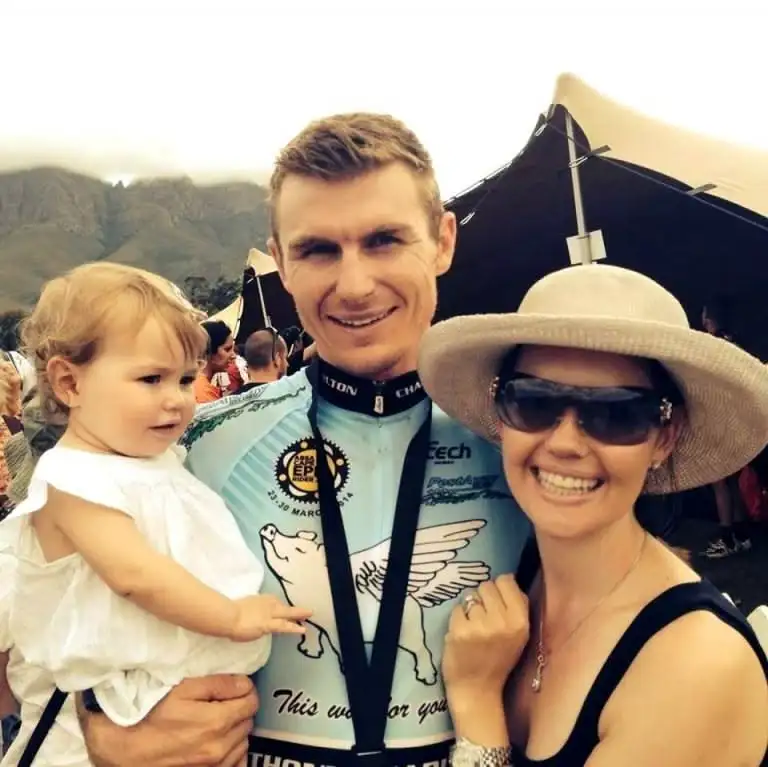
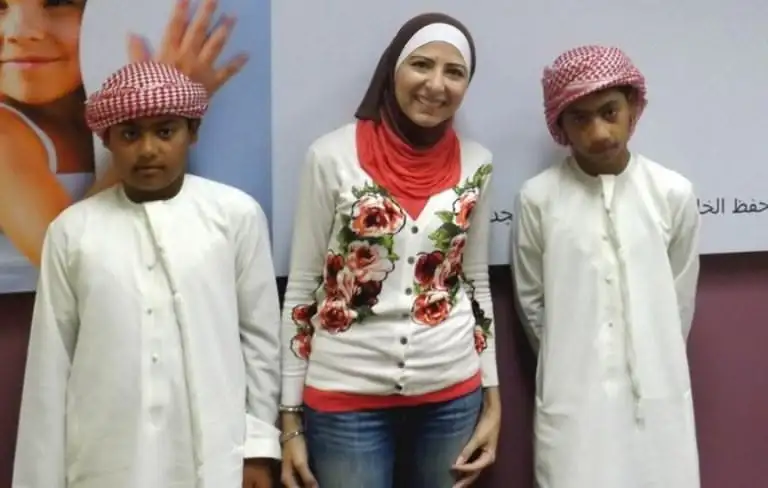
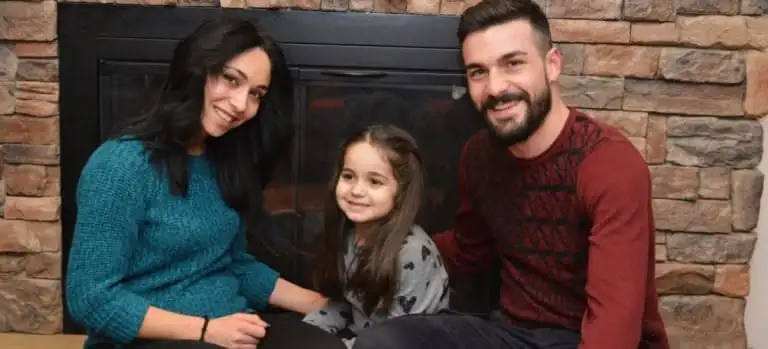
Smart Cells have released 24 UK
samples to six countries.
Stem cells hold the key to more than 80 life-changing treatments, with clinical trials underway on many more. Replacing damaged cells and tissue, they can even save a child’s life.

100% infusion success rate
For samples released for transplant.
3 months – 12 yrs old
Stored cord blood samples have been successfully released for use in transplant for children aged as little as 3 months to 12 years old.
46% self | 54% siblings
Smart Cells have successfully released stored cord blood samples that have been used for treatment with the child it was collected from and also siblings.
Smart Cells releases
UK samples released
24
| Sample release date | Medical condition | Recipient relationship | Age of the recipient | Unit volume | Medical center | Country |
|---|---|---|---|---|---|---|
| 2005.11 | Thalassemia | Allogeneic (Sibling) | 4 Years | 144ml | Mount Vernon Hospital | Singapore |
| 2005.11 | Leukaemia | Allogeneic (Sibling) | Restricted | Restricted | Stem Cells and Immunology Department, Birmingham | UK |
| 2007.02 | Thalassemia | Allogeneic (Sibling) | 7 Years | 76ml | Kinderlink der Tu Munchen | Germany |
| 2009.08 | Cerebral Palsy | Autologous (Self) | 3 Years | 51ml | Duke University, North Carolina | USA |
| 2010.01 | Cerebral Palsy | Autologous (Self) | 3 Years | 81ml | Duke University, North Carolina | USA |
| 2013.10 | Thalassemia | Allogeneic (Sibling) | 5 Years | 58ml | Catherine Lewis Centre, Hammersmith | UK |
| 2014.01 | Leukaemia | Allogeneic (Sibling) | 4 Years | 71ml | Medizinische Hochschule, Hanover | Germany |
| 2014.05 | Cerebral Palsy | Autologous (Self) | 1 year | 68ml | Duke University, North Carolina | USA |
| 2014.06 | HSV Encephalitis & NMDA Receptor Antibody Virus | Autologous (Self) | 2 Years | 57ml | Duke University, North Carolina | USA |
| 2014.08 | Hypoxic Ischemic Encephalopathy (HIE) | Autologous (Self) | 3 Months | 39ml | Duke University, North Carolina | USA |
| 2015.02 | Hypoxic Ischemic Encephalopathy (HIE) | Autologous (Self) | 6 Months | 53ml | Duke University, North Carolina | USA |
| 2015.03 | Severe Combined Immune Deficiency | Autologous (Self) | 3 Months | 74ml | Duke University, North Carolina | USA |
| 2015.03 | Sickle Cell Disease | Allogeneic (Sibling) | 2 .5 Years | 57ml | BLK Hospital, New Delhi | India |
| 2015.11 | Thalassemia | Allogeneic (Sibling) | 12 Years | 87ml | Children’s Hospital of Pittsburgh of UPMC | USA |
| 2016.03 | Cerebral Palsy | Allogeneic (Sibling) | 6 Years | 101ml | Duke University, North Carolina | USA |
| 2017.04 | Lymphoblastic Leukaemia (^1) | N/A (Identical twin girls) | Restricted | 125ml | Bambin Gesu Childrens’ Hospital, Rome | Italy |
| 2017.06 | Cerebral Palsy | Autologous (Self) | 7 Years | 82ml | Duke University, North Carolina | USA |
| 2017.06 | Cerebral Palsy | Autologous (Self) | 3.4 Years | 132ml | Duke University, North Carolina | USA |
| 2018.03 | Autism | Autologous (Self) | 5.4 Years | 73ml | Duke University, North Carolina | USA |
| 2018.03 | Cerebral Palsy | Autologous (Self) | 3.4 years | 132ml | Duke University, North Carolina | USA |
| 2019.06 | Cerebral Palsy | Allogeneic (Sibling) | 3 Years | 104ml | Duke University, North Carolina | USA |
| 2022.02 | Cerebral Palsy | Allogeneic (Sibling) | 11 Years | 185ml | Duke University, North Carolina | USA |
| 2023.08 | Cerebral Palsy | Allogeneic (Sibling) | 3 Years | 46ml | Duke University, North Carolina | USA |
| 2024.01 | Thalassaemia | Allogeneic (Sibling) | 8 Years | 45ml | Cincinnati Children’s Hospital Medical Center | USA |