Albania
 Bosnia and Herzegovina
 Bulgaria
 Croatia
 Cyprus
 Czech Republic
 Denmark
 Estonia
 Germany
 Hungary
 Italy
Italy
 Kosovo
 Lithuania
 Latvia
 Luxembourg
 Macedonia
 Montenegro
 Poland
 Portugal
 Romania
 Serbia
 Slovaki
 Slovenia
 Spain
Spain
 Switzerland
 Sweden
 Turkey
 United Kingdom
 UAE
UAE
 Hong Kong
 Kuwait
 Lebanon
 South Africa



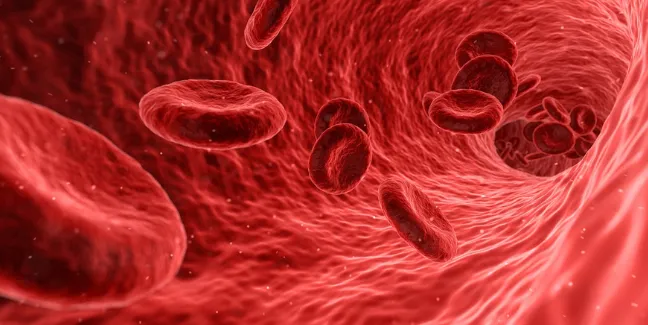
Breakthrough research in cord blood transplantation for severe aplastic anaemia shows how newborn stem cells can play a critical role in life-saving treatments.
A major clinical trial from the National Institutes of Health (NIH) has shown remarkable results using an expanded umbilical cord blood transplant in patients with severe aplastic anaemia, a life-threatening condition where the bone marrow fails to produce enough blood cells. The trial reported a 94% survival rate without complications, offering new hope for patients who previously had limited treatment options.
A breakthrough in cord blood stem cell therapy
The trial evaluated an innovative transplant technique known as omidubicel, in which umbilical cord blood stem cells are cultured and expanded in the lab using nicotinamide (a form of vitamin B3) to significantly increase the number of stem cells before transplantation. This enhanced cell dose helps restore the patient’s blood and immune systems more quickly and effectively than traditional cord blood transplants.
Patients enrolled in the study were high-risk, having not responded to standard immunosuppressive therapy and lacking a matched donor for traditional haematopoietic stem cell transplantation (HSCT). Remarkably, nearly all patients achieved rapid neutrophil engraftment, meaning white blood cells recovered at a median of just eight days, and sustained cord engraftment by 100 days post-transplant.
These outcomes led the U.S. Food and Drug Administration (FDA) to approve omidubicel (marketed as Omisirge) for use in patients with severe aplastic anaemia who don’t have matched donor options.
Why this research matters to stem cell preservation
Severe aplastic anaemia is typically treated with immunosuppressive therapy or HSCT from a matched related or unrelated donor. But finding a suitable donor match is a major barrier, one that many patients never overcome. Cord blood transplants have long been used as an alternative because they require less stringent HLA matching and are readily available from public banks, yet historically these transplants had limitations due to low stem cell numbers.
This study shows how expanded cord blood stem cells can overcome those limitations, accelerating engraftment and dramatically improving survival, shining a spotlight on the therapeutic potential of cord blood stem cells.
For families considering their options at birth, this research underscores an important point:
Umbilical cord blood is not just a source of stem cells today, it may be crucial for tomorrow’s life-saving therapies.
Cord blood and cord tissue banking: securing future options
Cord blood contains valuable haematopoietic stem cells (HSCs) that can form all types of blood cells, and it has been used in the treatment of 80+ blood and immune disorders. Cord tissue contains mesenchymal stem cells (MSCs) being explored in regenerative therapies across a wide range of conditions.
While public cord blood banks help many patients find matched units, personal storage of cord blood and cord tissue through private banking means a family has guaranteed access to a high-quality source of stem cells should their child, or potentially a sibling, ever need them. This becomes particularly meaningful in situations where:
- A matched donor cannot be found
- A child develops a condition not covered by public donation
- Emerging therapies require early access to cord blood or tissue stem cells
Choosing to bank with a trusted provider like Smart Cells ensures that stem cells are collected, processed and stored to high clinical standards, ready if ever needed.
Research continues to expand therapeutic horizons
Although this NIH trial focused on severe aplastic anaemia, the implications extend far wider. As cord blood transplant techniques improve, and as regenerative medicine evolves, the potential uses for stem cells, especially those preserved at birth, continue to grow.
This exciting development reinforces a core message for healthcare professionals and expectant parents alike:
Preserving your baby’s stem cells offers a proactive way to secure potential future health options in a rapidly advancing medical landscape.
Have Questions? Please complete the short form below and you will receive a simple, comprehensive Free Guide to Cord Blood and Tissue Banking.
Reference
National Institutes of Health. Expanded umbilical cord blood transplant achieves 94% survival in severe aplastic anemia patients. Published December 12, 2025.
Rate this article: