Albania
 Bosnia and Herzegovina
 Bulgaria
 Croatia
 Cyprus
 Czech Republic
 Denmark
 Estonia
 Germany
 Hungary
 Italy
Italy
 Kosovo
 Lithuania
 Latvia
 Luxembourg
 Macedonia
 Montenegro
 Poland
 Portugal
 Romania
 Serbia
 Slovaki
 Slovenia
 Spain
Spain
 Switzerland
 Sweden
 Turkey
 United Kingdom
 UAE
UAE
 Hong Kong
 Kuwait
 Lebanon
 South Africa





Learn more about bed rest during pregnancy, what bed rest means and how to manage your new routine.
Being told by your healthcare provider that you need to go on bed rest during pregnancy can bring up a huge mix of emotions. For some, it might sound like a welcome break at first, but the reality of having your usual activities suddenly restricted can be incredibly daunting. Whether you are dealing with a specific medical condition or a high-risk pregnancy, navigating this period requires a lot of physical and emotional adjustment.
It helps to understand exactly what your doctor’s recommendations mean, why certain restrictions are put in place, and how you can look after your own health and your baby’s well-being while staying off your feet.
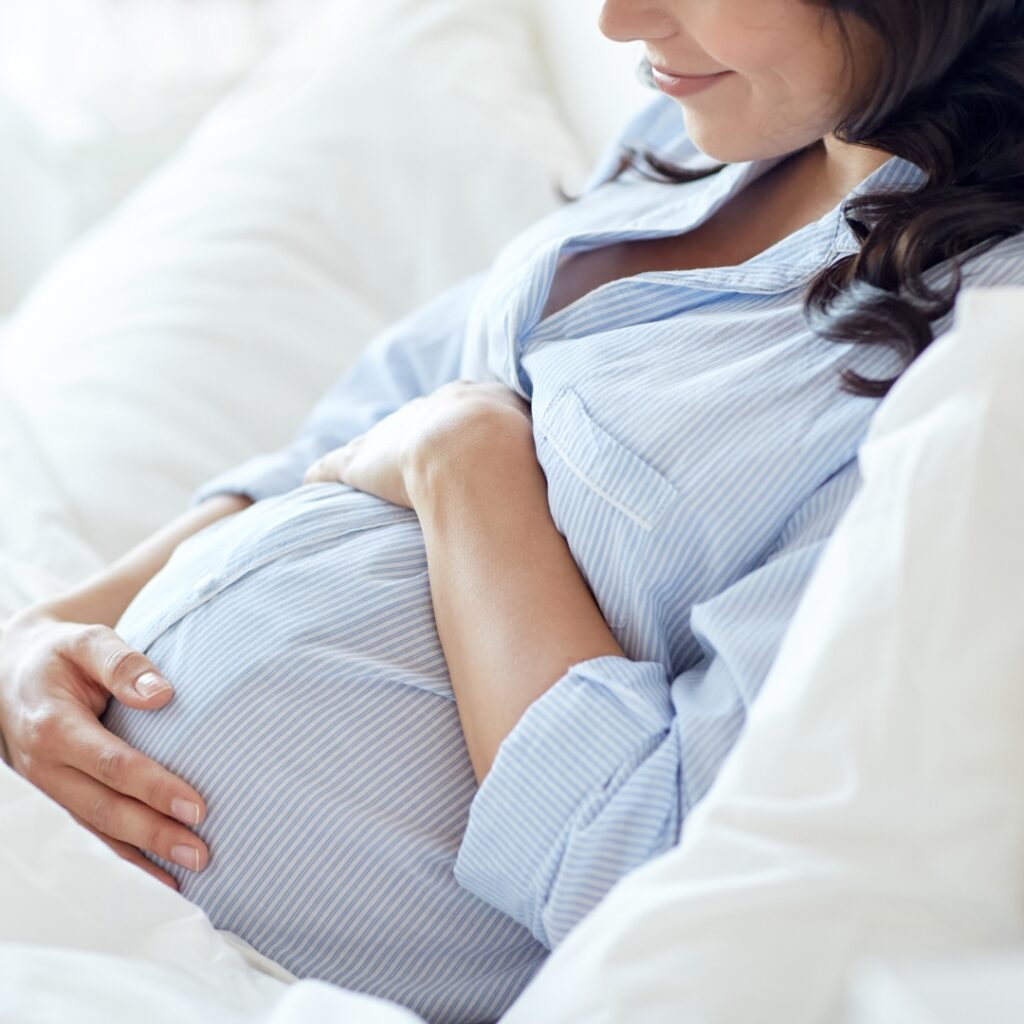
What Exactly Is Pregnancy Bed Rest?
In the medical community, the term bed rest can mean several different things depending on your specific circumstances. It is rarely a case of lying completely still in a dark room for months on end. Instead, your pregnancy care providers will usually define a specific level of activity restriction based on your health condition.
Partial Bed Rest
This is often prescribed when you need to slow down but do not need constant monitoring. Partial bed rest usually means you can move around for short periods of time, sit in a comfortable chair, and make short bathroom trips. You will need to avoid heavy lifting, prolonged standing, and household chores, but you can usually move around your home gently.
Strict or Full Bed Rest
Full bed rest is more restrictive. Strict bed rest means you must remain in bed for the vast majority of the day and night. You may only be allowed up for essential bathroom visits. In some high-risk pregnancies where there is an immediate risk of preterm delivery, you might even be admitted for hospital bed rest so that medical staff can monitor you and your baby around the clock.
Common Reasons Bed Rest Is Prescribed
Every pregnancy is unique, and your specialist or midwife will look at your individual health before deciding if reducing your physical activity is the best way forward. There are a few common reasons why an expectant mom might find her activity level curtailed.
- Preterm Labour: If you start experiencing regular contractions or cervical changes before your baby is full term, your healthcare provider may suggest resting to reduce pressure on the cervix.
- High Blood Pressure: Conditions like gestational hypertension or preeclampsia can cause serious health problems. Reducing your physical activity can sometimes help manage your blood pressure.
- Placenta Previa: This happens when the placenta covers part or all of the cervix. Because it carries a risk of severe vaginal bleeding, minimizing movement is often recommended.
- Cervical Incompetence: If your cervix begins to shorten or open too early without contractions, minimising the physical strain of gravity can be part of the management plan.
- Gestational Diabetes or Growth Issues: In rare circumstances, if there are concerns about the baby’s growth or a low birth weight, resting might be suggested to optimise blood flow to the placenta.
It is worth noting that the American College of Obstetricians and Gynecologists and the wider medical community have noted a general lack of evidence or scientific evidence that routine bed rest prevents preterm birth. Because of this, many modern doctors only recommend it for very specific complications or for short periods, but it’s important to always follow your own doctor’s advice.
The Physical Risks and Challenges of Long-Term Rest
While staying in bed sounds relaxing, doing it for a long time can actually cause a few health complications of its own. Our bodies are designed to move, and when pregnant people are restricted to a bed, it can lead to physical changes that make the postpartum period harder.
Without regular basis movement, you can experience muscle tone loss and muscle atrophy, particularly in your legs and core. There is also a small risk of bone loss if you are immobile for months. One of the biggest risk factors associated with prolonged inactivity during pregnancy is the risk of blood clots, such as deep vein thrombosis or even a pulmonary embolism. When blood flow slows down in the lower legs, clots can form more easily.
Staying in one position can also cause skin irritation, and some women suffer from maternal weight loss because their appetite drops when they are not burning energy through their usual activities. Your healthcare provider will often suggest gentle stretches or changing positions regularly to protect your body.
Practical Ways to Manage Your New Daily Routine
If you are facing weeks in your bed or on the sofa, having a solid plan and a clear list of things to keep within easy reach will make a huge difference to your daily comfort.
Set up a comfortable nesting station with extra pillows to support your back and hips. Make sure you have a long phone charger, a water bottle, your snacks, and any essentials nearby so you do not have to keep getting up.
This can actually be a great time to get organised for your new baby. You can work on your baby registry, organise digital photo albums, or make phone calls to catch up with close friends. Many people use this time to scroll through a social networking site or social media, but try to balance screen time with reading or listening to podcasts so you do not get overwhelmed by information overload.
Building a Support Network
One of the hardest parts of bed rest is having a hard time asking for help. If you have older children, organising child care becomes an immediate priority. You will need to rely heavily on family members and friends to manage the household chores, food shopping, and daily running of the home.
Sitting down with your partner to look at how your work schedule or partner work responsibilities might need to shift is an important first step. If you belong to an online support group or a local community group, lean on them. People genuinely want to help, whether that means dropping off a meal or just jumping on a telephone hotline or casual call to keep you company.

Frequently Asked Questions
Can I still do any exercise while on bed rest?
You should completely avoid any traditional strength training or strenuous physical activity. However, depending on your specific level of restriction, your doctor might suggest very gentle leg movements or ankle circles to keep your blood flow moving and reduce the risk of complications like blood clots. Always ask your doctor before starting any movement.
Am I allowed to have sexual intercourse while on bed rest?
In most cases where bed rest is prescribed, doctors will advise pelvic rest. This means avoiding sexual intercourse and all kinds of sexual activities that could trigger uterine contractions or cause vaginal bleeding, especially if you have a condition like placenta previa.
How can I look after my mental health during this time?
Being stuck in one place can take a massive toll on your mind. Try to break your day into smaller chunks. Dedicate the morning to a project like planning your online baby shower, and use the afternoon to chat with your support network or read. Reach out to a professional if you feel the isolation is becoming too difficult to handle.
The use of this information is for educational purposes only. Every pregnancy health condition is different, and this advice should never replace the direct medical instructions given by your own pregnancy care providers. Always prioritize your doctor’s advice and specific circumstances over general online guides.
Rate this article: