Albania
 Bosnia and Herzegovina
 Bulgaria
 Croatia
 Cyprus
 Czech Republic
 Denmark
 Estonia
 Germany
 Hungary
 Italy
Italy
 Kosovo
 Lithuania
 Latvia
 Luxembourg
 Macedonia
 Montenegro
 Poland
 Portugal
 Romania
 Serbia
 Slovaki
 Slovenia
 Spain
Spain
 Switzerland
 Sweden
 Turkey
 United Kingdom
 UAE
UAE
 Hong Kong
 Kuwait
 Lebanon
 South Africa




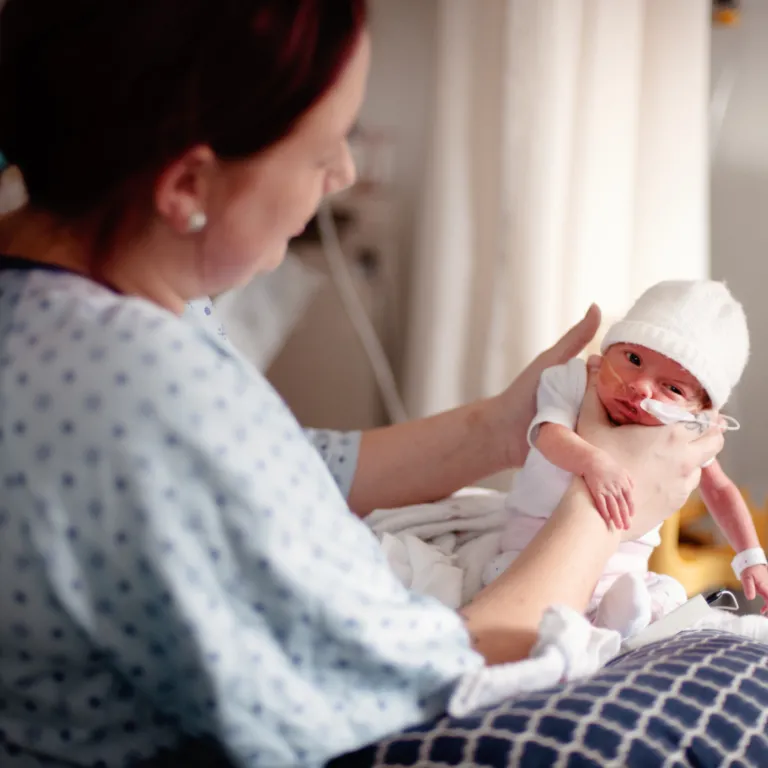
Five children who had their umbilical cord blood preserved with FamiCord, have travelled to Poland to participate in an experimental programme investigating the potential use of their own cord blood in autism.
Five children whose families chose to preserve their umbilical cord blood with FamiCord, have travelled to Poland to take part in a programme exploring the potential use of their own stored cord blood for children with autism.
Their stories were recently featured by Portuguese newspaper Jornal de Notícias, highlighting how a decision made by their parents at birth has given these families the opportunity, years later, to access an emerging area of clinical research.

From cord blood banking in Portugal to treatment in Poland
The five children, aged between four and eight, have Autism Spectrum Disorder (ASD). Their families had one important thing in common: they had chosen to preserve their children’s umbilical cord blood with Crioestaminal, part of the FamiCord Group.
Years later, those stored samples have provided the children with the opportunity to participate in a programme in Lublin, Poland, investigating the potential use of autologous cord blood — meaning the child’s own stored cord blood — in children with autism.
The programme is looking at potential changes in areas such as communication, attention and neurological function. Each child’s progress is followed by the medical team, helping to build further understanding of the potential role that a child’s own cord blood may have in this area.
A family’s experience
The newspaper shares the story of Caetano, one of the five children participating in the programme.
His mother, Adriana Machado, explained that the family had preserved his umbilical cord blood when he was born. After Caetano was assessed and accepted onto the programme, the family travelled to Poland, where he received an infusion using his own stored cells.
“I noticed changes.”
Adriana Machado, Caetano’s mother
Adriana told Jornal de Notícias that she observed changes in the weeks following treatment, including more spontaneous communication and interaction.
These are the observations of an individual family rather than evidence of treatment effectiveness. The children will continue to be followed and their results evaluated as part of the programme.

A decision at birth creating an opportunity years later
For us at Smart Cells, one particularly interesting aspect of these five stories is the connection between long-term cord blood preservation and access to future medical opportunities.
When these parents decided to store their children’s cord blood with FamiCord, they could not have known what medical developments or circumstances might arise several years later.
Today, their children’s preserved samples are available to them and have enabled all five families to explore this experimental programme.
This is an important distinction when considering cord blood banking. No parent can predict whether their child will ever need their stored cells, nor can anyone guarantee what treatments may become available in the future. Preservation simply means that these cells remain available should an appropriate medical need or eligible clinical opportunity arise.
Supporting families through the FamiCord Group
Smart Cells is part of the FamiCord Group, connecting families with an international network of stem cell banking expertise.
Our Neuro Assistance service has been created to support eligible families who have stored their child’s cord blood and wish to explore opportunities for its use in programmes for neurological conditions, including autism and cerebral palsy.
Through the wider FamiCord Group network, eligible families can receive support with the assessment process and access to participating medical centres. Eligibility is assessed individually by the relevant medical team.
Following the families’ progress
The experiences of these five children will be important to follow as researchers continue to investigate the potential role of cord blood in neurological and developmental conditions.
While further clinical evidence is required before conclusions can be drawn about its effectiveness in autism, their stories demonstrate something much more immediate:
Five families who chose to preserve their children’s cord blood with a FamiCord Group bank at birth now have access to those cells when an opportunity to use them has arisen years later.
At Smart Cells, we will continue to follow their progress and developments in cord blood research across the FamiCord Group and the wider scientific community.
Have Questions? Please complete the short form below and you will receive a simple, comprehensive Free Guide to Cord Blood and Tissue Banking.
Source: Jornal de Notícias
Rate this article: