Albania
 Bosnia and Herzegovina
 Bulgaria
 Croatia
 Cyprus
 Czech Republic
 Denmark
 Estonia
 Germany
 Hungary
 Italy
Italy
 Kosovo
 Lithuania
 Latvia
 Luxembourg
 Macedonia
 Montenegro
 Poland
 Portugal
 Romania
 Serbia
 Slovaki
 Slovenia
 Spain
Spain
 Switzerland
 Sweden
 Turkey
 United Kingdom
 UAE
UAE
 Hong Kong
 Kuwait
 Lebanon
 South Africa



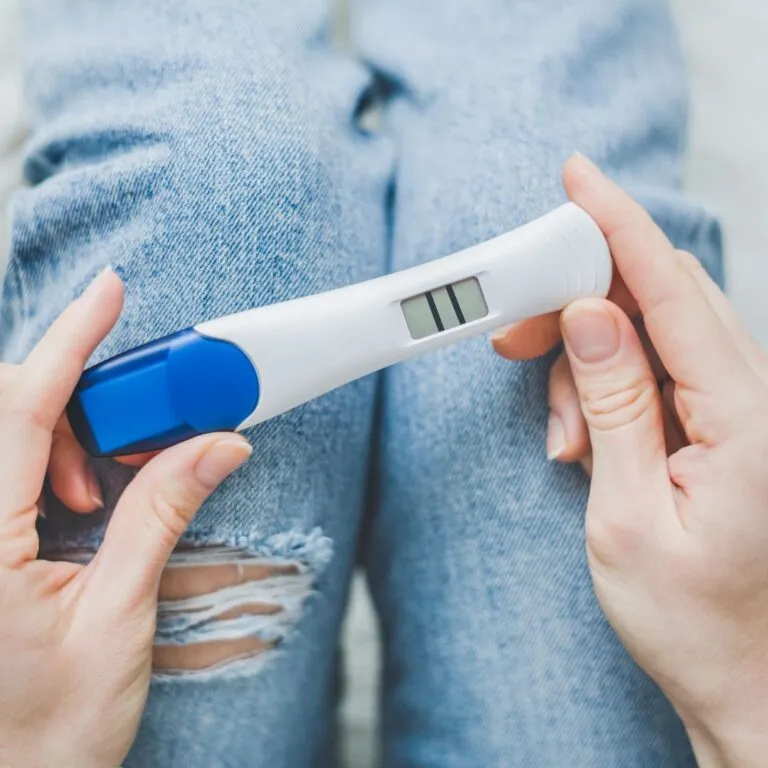
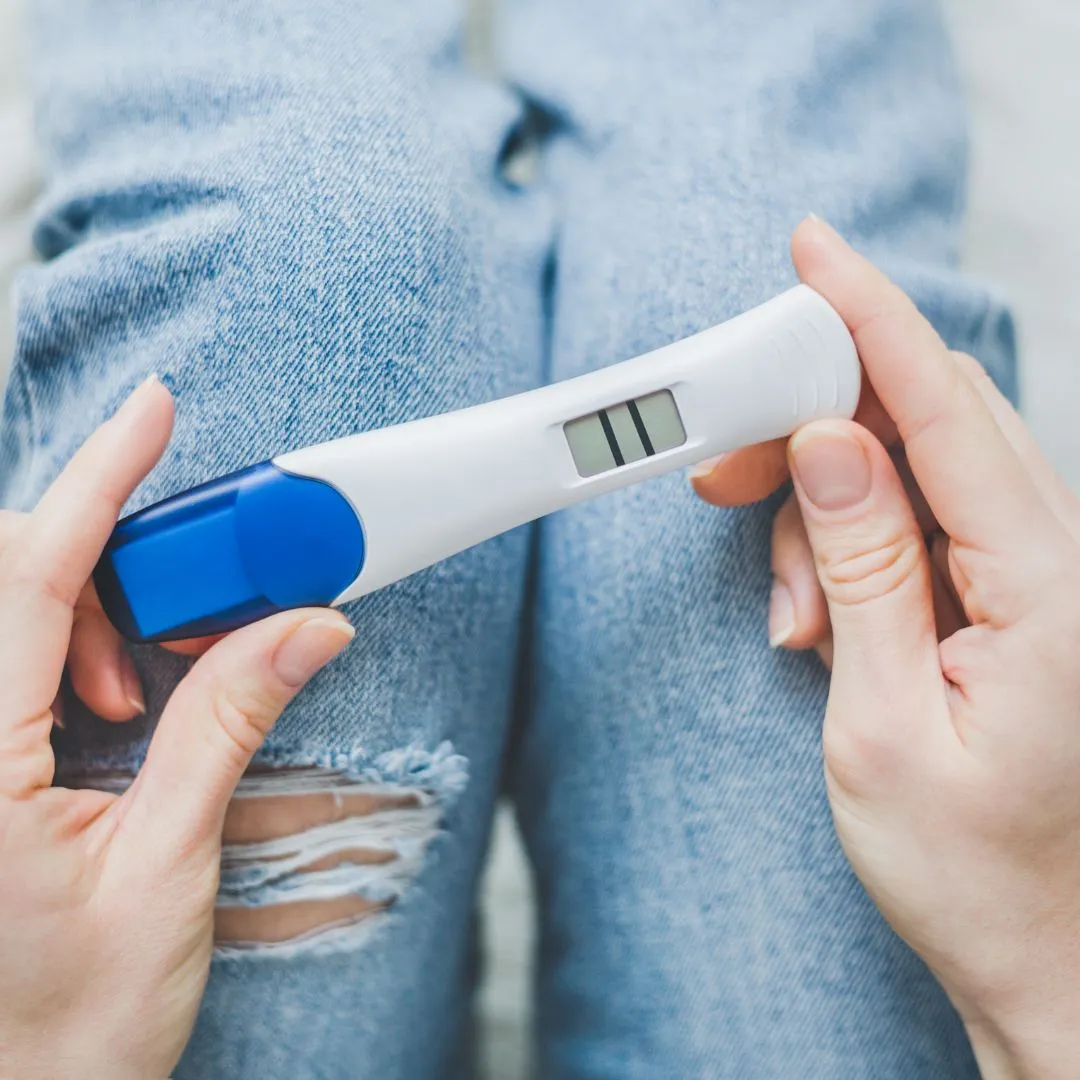
Waiting to find out if you might be expecting can feel like an emotional rollercoaster. Every twinge, strange ache, or sudden wave of exhaustion can leave you wondering whether it is your body playing tricks on you or the very earliest signs of pregnancy.
While some pregnant women seem to know intuitively from the moment of conception, many do not notice a thing until their period fails to arrive. Every body is different, and every pregnancy develops in its own way. If you have been charting your cycle, keeping an eye out for subtle changes, or wondering if that odd sensation is worth paying attention to, we’re explaining the science behind early pregnancy signs, what is normal, and what your next steps should be.
When Do Early Symptoms of Pregnancy Actually Start?
Medically speaking, the first trimester of pregnancy begins on the first day of your last period, well before conception actually takes place! Because of the way healthcare professionals calculate gestational age, by the time you actually conceive and a fertilised egg attaches to the uterine wall, you are technically already around three to four weeks into your journey. For a deeper look at the whole 12 week period, you can read our complete guide to the first trimester of pregnancy.
After fertilisation, the embryo travels down the fallopian tube and implants into the nutrient-rich lining of your womb. This implantation process usually happens around six to twelve days after ovulation. Once the blastocyst settles, your body begins to produce human chorionic gonadotropin, often abbreviated to hCG (read about more pregnancy acronyms that you might want to know about here!).
This single hormone is the spark that sets off a massive biological transformation. As hCG climbs, it signals the ovaries to keep producing progesterone and oestrogen rather than shedding the uterine lining. These shifting hormone levels are responsible for nearly all early pregnancy symptoms, triggering changes across your vascular, digestive, and nervous systems within days of successful implantation. This is the hormone that a pregnancy test is designed to detect.
For most women, noticeable physical signs begin around week five or six, which is roughly a week or two after a missed period. However, some women experience subtle hints within the very first few weeks of pregnancy. You can find more detail in our overview of what you need to know about pregnancy symptoms.
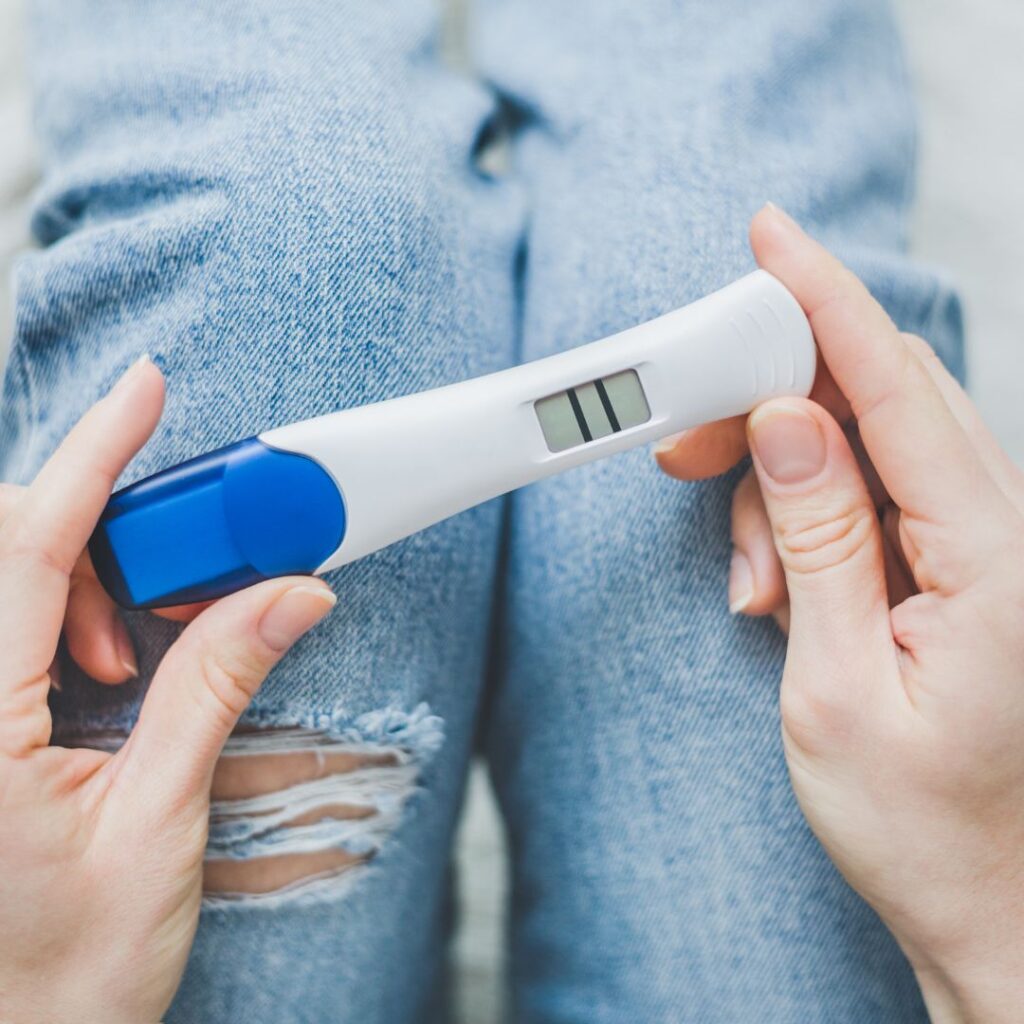
The Most Common Symptoms of Early Pregnancy
While films often portray early pregnancy as fainting spells or sudden morning sickness, reality is usually far more gradual. Here are the classic signs that tend to appear first.
A Missed Menstrual Period
A missed period is traditionally the earliest sign of pregnancy that prompts someone to reach for a test. If your menstrual cycle is regular, missing your expected bleed by a couple of days is a strong indicator that conception may have occurred.
However, a missed period is not foolproof on its own. An irregular menstrual cycle, high stress levels, sudden weight fluctuations, travel, or hormonal imbalances like polycystic ovary syndrome can also cause your period to be delayed. If you have irregular cycles, you might need to rely more heavily on other clues to pinpoint the stage of pregnancy you might be in.
Tender Breasts and Changing Tissue
For a great many women, tender breasts are the very first signs of pregnancy to catch their attention. In the days following implantation, hormone production surges, rapidly increasing blood flow to your breast tissue.
You might notice that your breasts feel noticeably heavier, fuller, or intensely sensitive to the touch. Even the simple friction from your clothes or walking down the stairs can cause discomfort. Aside from sore breasts, you might observe other visible breast changes. The veins across your chest may become more prominent as your blood vessels expand, and your areolas might begin to darken and widen.
These hormonal shifts prepare your milk ducts right from the start, though the acute breast tenderness usually eases off considerably as you move closer to the second trimester.
Light Spotting and Implantation Bleeding
Spotting can be an alarming thing to see if you are hoping for a baby, but light bleeding can also actually be an early sign of pregnancy.
Known as implantation bleeding, this happens when the fertilised egg attaches itself into the lining of the uterus, breaking tiny blood vessels in the process. Unlike a typical menstrual period, implantation bleeding does not look like a heavy flow.
The amount of blood is typically very small, appearing as light spotting or faint pinkish or brownish discharge when you wipe. It generally lasts for only a few hours up to two days and should never involve heavy clots. If you experience heavy vaginal bleeding accompanied by severe pain, it is essential to seek prompt medical advice, as this can be a sign of an ectopic pregnancy or other complications.
Mild Cramping
It is entirely common to experience mild cramping low down in your pelvis around the time your period would normally be due. Because these sensations feel remarkably similar to menstrual cramps, it is easy to assume your period is about to begin.
These early cramps are usually caused by the embryo settling into place and the preliminary stretching of your uterine wall. Increased blood production and pelvic blood flow also contribute to this dull, heavy ache. Provided the cramps are gentle and not sharp or one-sided, they are generally a completely standard part of the early stages of pregnancy.
Morning Sickness and Nausea
Despite its well-known name, morning sickness rarely confines itself to the morning. Pregnancy-related nausea can strike at any time of the day or night, and for some women, it feels like an all-day, low-grade sea sickness.
Nausea typically surfaces around the sixth week of pregnancy, though some people feel distinctly queasy much earlier. It is driven by rapidly escalating pregnancy hormones that slow down your digestive system, leaving food in the stomach for longer.
Not everyone actually vomits. Many women experience mild waves of nausea triggered by empty stomachs or specific scents, while others develop severe hyperemesis gravidarum, which requires specialist care. If you are struggling to keep fluids down, speaking with a healthcare provider is a sensible step.
Overwhelming Exhaustion
If you feel like you could fall asleep sitting upright at your desk by mid-afternoon, pregnancy might be the cause. The fatigue that accompanies the first trimester of pregnancy is unlike everyday tiredness, presenting instead as a profound exhaustion.
Your body is working tirelessly behind the scenes. It is manufacturing the placenta, increasing your blood volume, and dialling up progesterone, a hormone that acts as a natural sedative on the central nervous system. At the same time, your blood pressure often drops slightly to allow blood vessels to relax and carry nutrients to the growing baby, which leaves you feeling completely drained of energy.
Frequent Urination
Finding yourself making frequent trips to the bathroom throughout the day and waking multiple times at night is another classic early symptom.
Frequent urination often begins earlier than people realise, long before a bump develops to press against the bladder! During early pregnancy, your kidneys are processing a higher volume of blood as your total fluid levels expand. This extra filtration leads to an increased amount of urine. Later in pregnancy, the physical weight of your uterus will take over as the main cause of bathroom runs, but in the beginning, it is purely hormonal.
Subtle and Less Obvious Early Pregnancy Signs
Beyond the headlining symptoms, there are several lesser-known physical indicators that women experience during the first few weeks. We have previously broken down common pregnancy myths and old wives’ tales as well as old wives’ tales for gender predictions, and while some stories have little evidence, many odd bodily sensations do have a genuine medical explanation.
Heightened Sense of Smell
Many women notice that their sense of smell sharpens dramatically early on. Suddenly, the scent of morning coffee, a partner’s aftershave, petrol fumes, or rubbish on the street becomes overwhelming or downright nauseating. This sensory shift is closely linked to higher oestrogen levels and plays a major role in triggering food aversions.
Food Aversions and Food Cravings
Your relationship with food can change overnight. A meal you loved yesterday might suddenly make your stomach turn today. Alongside food aversions, unexpected food cravings can appear.
While old wives’ tales claim that sweet cravings point to a girl and savoury cravings mean a boy, scientific evidence tells us that cravings are largely caused by hormonal changes, shifting nutritional requirements, and blood sugar swings. If you are curious about why your body suddenly demands gherkins or ice cream at odd hours, you can read our deep dive into what pregnancy cravings actually mean.
A Metallic Taste in the Mouth
Known medically as dysgeusia, some women notice a persistent, bitter, or metallic taste in the mouth during early pregnancy, often compared to chewing on aluminium foil or loose coins. It is entirely harmless and stems directly from the flood of pregnancy hormones altering your taste bud receptors.
Changes in Vaginal Discharge
An increase in normal vaginal discharge, known as leukorrhea, is common in early pregnancy. This discharge is usually thin, milky-white, and mild-smelling, caused by increased pelvic blood flow and rising oestrogen levels. It is the body’s way of keeping the cervix clean, moist, and free from infection.
However, if your discharge turns yellow, green, or clumpy, or if you notice itching, burning, or a foul fishy odour, it could point to medical conditions like thrush or bacterial vaginosis, which should be assessed and treated by a health care provider.
Mood Swings and Emotional Shifts
Crying at an advert on TV or feeling an unexpected wave of anger is very common. The steep rise in progesterone and oestrogen directly influences neurotransmitters in your brain, leading to sudden mood changes that feel very similar to heightened premenstrual syndrome. Knowing that these mood swings are driven by chemical shifts rather than personal failing can make them easier to navigate.
Nasal Congestion and Runny Nose
Waking up with a stuffy or runny nose without any other cold symptoms is an often overlooked pregnancy quirk known as pregnancy rhinitis. High oestrogen levels increase blood supply to the mucous membranes in your nasal passages, causing them to swell and produce extra mucus.
PMS vs Early Pregnancy: How to Tell the Difference
Because the symptoms of early pregnancy and premenstrual syndrome share so many characteristics, it can be very difficult to tell them apart before your period is due!
When looking at bleeding, premenstrual syndrome typically involves no prior spotting and transitions straight into your normal flow. Early pregnancy may involve very light spotting or light bleeding from implantation.
If you notice breast changes, premenstrual syndrome often causes breasts to feel sore or heavy a few days before your bleed, but the discomfort eases as bleeding begins. In early pregnancy, tenderness persists and frequently intensifies, while areolas may start to darken.
When looking at nausea, it is rare with premenstrual syndrome, though mild digestive upset or bloating can happen. In early pregnancy, frequent waves of nausea, sudden food aversions, or morning sickness are widespread.
With fatigue, premenstrual syndrome brings mild tiredness that lifts once your period begins. Early pregnancy brings an overwhelming, persistent exhaustion that lasts throughout the first trimester.
Cramping is a common sensation, and where premenstrual syndrome cramps can be intense and usually begin twenty-four to forty-eight hours prior to bleeding, early pregnancy cramps are usually very mild, fluttering, or pinching sensations without heavy bleeding.
Ultimately, your body can produce very similar responses to progesterone regardless of whether you have conceived or are simply preparing to shed your uterine lining. Listening to sudden changes in how your body feels is helpful, but taking a test is the only reliable differentiator. To help separate genuine guidance from unhelpful restrictions during this waiting period, check our review of pregnancy dos and don’ts and myths to stop worrying about.
When and How to Take a Pregnancy Test
If you suspect you are expecting, taking a home pregnancy test is the most convenient starting point.
Timing Your Test
Timing is crucial if you want to avoid confusion. Testing too early can easily lead to a false negative result, which occurs when you are pregnant but your hormone levels have not yet risen high enough to cross the test’s detection threshold.
The best way to get an accurate result is to wait until at least the first day of your missed period. If you cannot wait, ultra-sensitive early detection tests can sometimes pick up low levels of hCG four to five days before your missed period, but testing later will always give a clearer picture.
Testing Tips
To give your test the best chance of returning a dependable result, follow the best testing practice:
- Take the test first thing in the morning. Your first urine of the day contains the highest concentration of hCG.
- Avoid drinking excessive fluids right before testing, as diluted urine can lead to negative results even if you have conceived.
- Always read the manufacturer instructions thoroughly. Check the result strictly within the specified window, because reading a test after twenty minutes can lead to an evaporation line that looks deceptively like a faint positive.
- If you test early and receive a negative result but your period still fails to arrive, wait three to four days and test again. HCG levels typically double roughly every forty-eight hours in healthy early development.
Next Steps After a Positive Test
Seeing a positive result on a home pregnancy test is a major milestone. Once the initial shock or excitement settles, there are several practical steps worth taking straight away.
Contact Your Healthcare Team
The only way to confirm pregnancy clinically is by booking an appointment through your doctor’s office or self-referring directly to your local NHS community midwife service.
Your midwife or health care provider will schedule your initial booking appointment, which usually occurs between eight and ten weeks of pregnancy. In certain situations, your GP might arrange a quantitative hCG blood test. This blood test measures the exact concentration of pregnancy hormones in your bloodstream and is the most accurate way to monitor how hormone production is progressing.
You might also look into whether a local clinic or family planning service offers a free pregnancy test if you would like clinical confirmation before your formal booking visit.
Begin Daily Prenatal Care
Starting prenatal care immediately is vital for a healthy pregnancy. If you are not already taking folic acid, begin as soon as you find out. Health authorities recommend taking 400 micrograms of folic acid daily throughout the first 12 weeks of pregnancy to support your baby’s neural tube development and lower the risk of spina bifida. You should also take 10 micrograms of vitamin D daily.
Be mindful of everyday lifestyle habits as well. Stop drinking alcohol, quit smoking, and keep your daily caffeine intake below 200mg, which is roughly two mugs of instant coffee. If you take regular prescription medicines for existing medical conditions, speak to your GP before making any adjustments to your medication.
For more details on navigating those exciting initial days, take a look at our full guide on what to do when you find out you are pregnant.
Plan Ahead for Your Family’s Health
The early weeks are an ideal time to start thinking about the bigger picture. Many expectant parents find reassurance in researching their options early on, from exploring birth preferences to looking into stem cell banking for your child’s future.
Your baby’s umbilical cord blood and tissue are rich in powerful stem cells that can be safely collected at birth and stored to protect your family’s future health. Taking the time now to research your choices helps you make calm, informed decisions well before your due date arrives.
When to Seek Immediate Medical Advice
While the vast majority of early pregnancy symptoms are entirely benign signs of a developing baby, some warning flags require rapid medical evaluation. Contact your midwife, GP, or the NHS 111 service immediately if you experience any of the following signs.
- Heavy vaginal bleeding that soaks through a sanitary pad within an hour.
- Severe, persistent, or one-sided abdominal or pelvic pain.
- Pain located at the tip of your shoulder, which can be an indicator of an ectopic pregnancy.
- Severe dizziness, fainting spells, or sudden confusion.
- A high fever or persistent chills.
- Severe vomiting that prevents you from keeping liquids down for more than twenty-four hours.
Trusting your instincts is always a good idea. If something feels fundamentally wrong or if you are simply worried about the symptoms you are experiencing, never hesitate to reach out to a healthcare professional for guidance.
Waiting for confirmation and watching for early pregnancy signs is an experience filled with anticipation, curiosity, and sometimes a fair share of anxiety. Whether you are dealing with sore breasts, unusual exhaustion, or just a quiet feeling that things have changed, your body is embarking on an extraordinary journey.
Take things one day at a time, rest whenever your schedule allows, and give your body grace as it adapts to this immense hormonal shift. When the right time comes to take that test, we hope it brings you the good news you have been waiting for.
Rate this article: