Albania
 Bosnia and Herzegovina
 Bulgaria
 Croatia
 Cyprus
 Czech Republic
 Denmark
 Estonia
 Germany
 Hungary
 Italy
Italy
 Kosovo
 Lithuania
 Latvia
 Luxembourg
 Macedonia
 Montenegro
 Poland
 Portugal
 Romania
 Serbia
 Slovaki
 Slovenia
 Spain
Spain
 Switzerland
 Sweden
 Turkey
 United Kingdom
 UAE
UAE
 Hong Kong
 Kuwait
 Lebanon
 South Africa





Predicting the gender of your baby can be a fun thing to do! In this blog post we take a look at a few of the classic old wives' tales that can supposedly tell you what to expect!
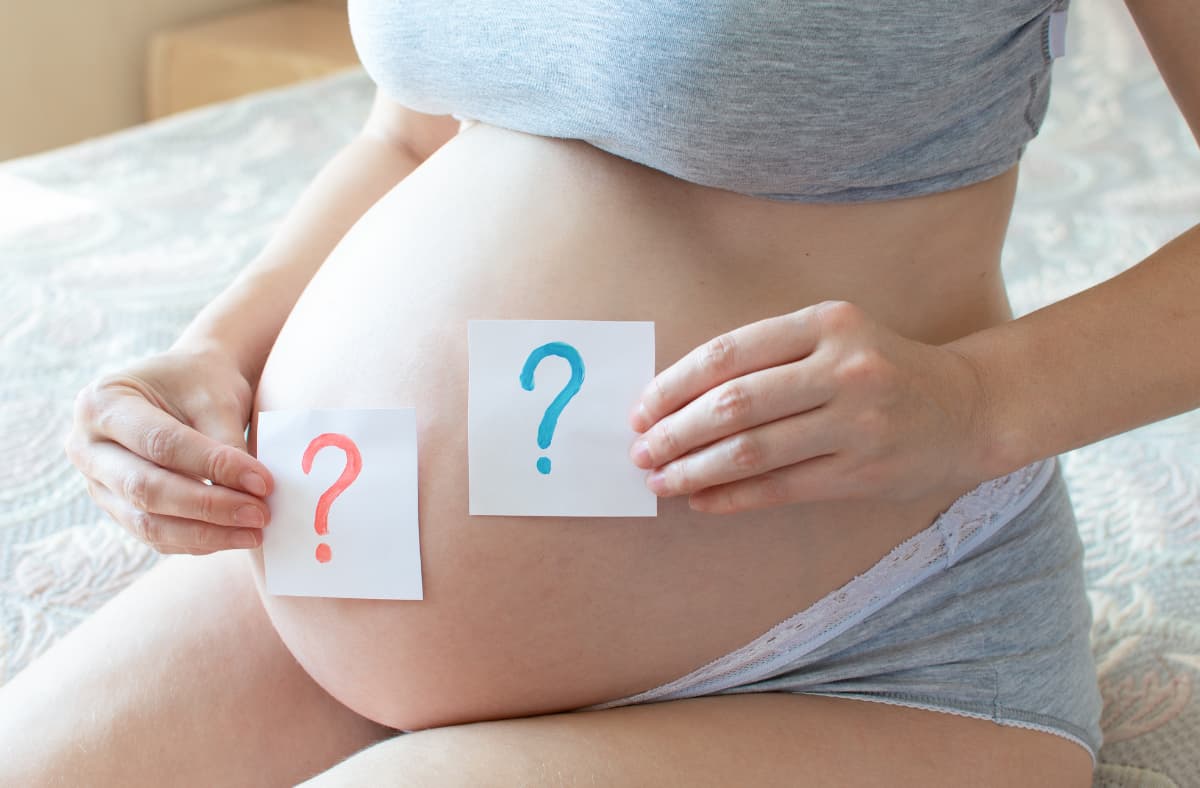
Predicting the gender of your baby can be a fun thing to do! In this blog post we take a look at a few of the classic old wives’ tales that can supposedly tell you what to expect!
Expecting parents often find themselves wondering whether they’re having a baby boy or a baby girl. It is usually the first question people ask after they find out you are expecting. A lot of parents choose to find out the sex of your baby during their pregnancy journey, while some prefer to wait for the big day to be surprised.
In the UK, you can typically find out the sex of the baby during your NHS 20 week scan, or you can pay for a private ultrasound at around 16 weeks. If you are eager for accurate results even earlier, non-invasive genetic testing or blood tests can determine the baby’s gender from around 8 weeks by looking for male fetuses’ DNA in the mother’s blood. However, long before modern technology and modern science gave us these tools, people relied on old wives’ tales to satisfy their curiosity.
While these gender prediction methods are a bit of fun, can these old-school methods really tell you anything reliable? Let’s take a closer look at the most common pregnancy myths and what the scientific research actually says.
The Ring Gender Test
One of the most famous old wives’ tales for predicting the baby’s sex is the pregnancy ring test, also known as the string test. To try this, you simply need a piece of string and a wedding ring, though any ring you wear regularly can be used.
Tie the string around your wedding ring and have a friend or your partner hold it over your pregnant belly while you lie down. If the ring swings in a strong circular motion, the tale says you are expecting a little girl. If it swings back and forth in a straight line, it supposedly indicates a little boy. While it is a fun way to pass the time in the first trimester or a fun game for a baby shower or gender reveal party, there is no scientific method behind it. Any movement is usually caused by tiny, involuntary muscle spasms in the hand of the person holding the string.
The Baking Soda Gender Test
The baking soda test is essentially a homemade pregnancy test for gender. For this gender prediction method, you need a cup, some standard baking soda, and a sample of your urine. You add a few tablespoons of baking soda to the cup and pour the urine over it.
The theory is that the pregnancy hormones and the acidity of the urine will react differently based on the sex of the baby. If the mixture fizzes and bubbles like a science experiment, it is said to be a sign of a male child. If there is no reaction at all, you are supposedly having a baby girl. In reality, the fizzing is just a reaction to the pH level of your urine, which is affected by your diet, hydration levels, and blood pressure rather than the baby’s gender.
Bump Shape and the Height of Your Belly
Perhaps the most common theme in the world of gender prediction is the belly-carrying myths. You have likely had a stranger or a relative look at your baby bump and offer a confident guess based on the height of your belly or the bump shape.
The tale goes that if you are carrying “low” (near the pubic bone), you have a little boy on the way. If the baby bump is high and the weight gain is spread more around your middle, it is a sign of a girl. According to Dr. Daniel F. Roshan, a certified obstetrician-gynecologist, the way a pregnant woman carries has everything to do with her muscle tone, body type, and the position of the baby, rather than the sex of the baby. Second and third trimesters often see the bump change shape simply as the baby grows and moves.
Skin Changes and the “Sought-After Glow”
We have all heard about the “pregnancy glow,” where a pregnant person looks radiant with clear skin and thick hair. Old wives’ tales suggest that if you have this glow, you are carrying a boy. On the flip side, if you are dealing with greasy hair and breakouts, it is said that a baby girl is “stealing the mother’s beauty.”
These skin changes and hair fluctuations are actually caused by massive hormonal changes and the surge in blood volume, not the gender identity of the fetus. Whether you have clear skin or regular breakouts is more down to how your individual body reacts to pregnancy hormones.
Severe Morning Sickness and Hyperemesis Gravidarum
One of the first obstacles many experience in early pregnancy is nausea. A popular old wives’ tale suggests that if you experience morning sickness that is particularly severe, you are more likely to be having a girl.
Interestingly, this is one of the few myths that has a tiny grain of scientific evidence behind it. Some studies suggest that pregnant people carrying girls may have higher levels of the pregnancy hormone hCG, which can lead to more severe nausea. In extreme cases, like hyperemesis gravidarum, some data shows a slightly higher chance of the baby being female. However, plenty of people carrying boys also suffer from extreme sickness, so it is far from a certain way to get the right answer.
Cravings: Salty Foods vs. Sweet Things
Your pregnancy cravings are another classic indicator used in old-school folklore. If you find yourself reaching for salty foods, protein-rich foods, or salty snacks, the old wives’ tales say you are having a boy. If you have a rampant sweet tooth and want fruit or sweet things, it’s a girl.
In reality, cravings are often the body’s way of signaling a need for specific nutrients or extra calories. A desire for salty chips might just mean you need more sodium due to increased blood volume, while a need for sweets might be related to fluctuating blood sugar levels. And there are some weird pregnancy cravings out there, find out more here!
Fetal Heart Rate
During your check-ups, you will often hear the baby’s heart rate. A common belief is that a faster heart rate (usually over 140 beats per minute) means a girl, while a slower heart rate indicates a boy. While a baby’s heart rate does fluctuate throughout the day and during the different trimesters, scientific research has shown no significant difference between the heart rates of male and female fetuses during early pregnancy.
The “Nub Theory” and Early Scans
Another popular method that has gained huge traction in online parenting communities is the “nub theory.” This is often discussed during the first trimester, specifically around the 12 week scan which is well before a doctor would be able to see anything signalling the baby’s sex on a scan. Unlike some of the more mystical old wives’ tales, this one is actually based on the physical development of the fetus, though it still requires a fair amount of guesswork and a very clear ultrasound image!
The theory suggests that both male and female fetuses have a small protrusion between their legs called a genital tubercle. or the “nub”, in early pregnancy. Proponents of this theory believe that the angle of this nub in relation to the baby’s spine can reveal the sex of the baby long before the anatomy is fully formed.
According to the theory:
- A Baby Boy: If the nub is angled upward at more than 30 degrees relative to the spine, it is said to be a sign of a male child.
- A Baby Girl: If the nub is flat or angled downward (less than 10 degrees), it is thought to be a sign of a girl.
While there is some logic to this, as the nub eventually develops, it is notoriously difficult to get an accurate reading. The baby needs to be lying perfectly flat on their back for the sonographer to capture the correct angle, and at 12 weeks, the differences are incredibly subtle. Most healthcare providers will caution against buying any baby clothes based on a nub theory “guess,” as the margin of error is quite high compared to the more definitive scans performed later in the second trimester.
Minor Tales: Cold Feet and “Dad Bods”
The list of myths is almost endless. Some other fun ones include:
- Cold Feet: If the pregnant woman develops cold feet (literally), it’s a boy.
- Linea Nigra: If the dark line (linea nigra) on your belly extends only to the belly button, it’s a girl. If it goes past the belly button toward the ribs, it’s a boy.
- The Dad’s Weight: If the father-to-be puts on “sympathy pounds” or develops a “dad bod” during the pregnancy, it’s a sign of a girl.
- Breast Size: If your right breast is larger than your left breast, it’s a boy. If the left is larger, it’s a girl.
FAQ: Finding Out Your Baby’s Sex
With so many old wives’ tales floating around, it is easy to get caught up in the excitement. Here are some frequently asked questions about finding out the gender for real.
When is the earliest I can find out the baby’s gender?
You can find out as early as 8 to 10 weeks through non-invasive prenatal testing (NIPT). This is a blood test that looks at fetal DNA in your blood. It is highly accurate and has a very low margin of error.
Are ultrasound results always 100% accurate?
While ultrasounds at 16–20 weeks are very reliable, they are still not 100% certain. The accuracy depends on the baby’s position; if they are tucked away or have their legs crossed, the sonographer might not get a clear view.
Why do people still use old wives’ tales?
They are a fun way for expectant parents to bond and share the excitement of the pregnancy with friends and family. Even though they aren’t based on modern technology, they make the waiting period feel a little shorter.
Can prenatal vitamins affect these tests?
Prenatal vitamins are essential for your baby’s health (especially folic acid), but they won’t affect the outcome of a gender prediction test or an old wives’ tale.
What Should You Trust?
While it is entertaining to swing a ring over your belly or track whether you want salty foods or sweet treats, these should only ever be used for entertainment. The only real ways to determine the sex of your baby are through medical procedures like:
- Ultrasound scans (usually from 16 weeks onwards).
- Blood tests (NIPT).
- Amniocentesis or CVS (usually only performed if there are medical concerns).
Modern science has come a long way since the days of using baking soda and wedding rings! However, the mystery and the guessing game are part of what makes the world of pregnancy so special. Whether you are having a little boy or a little girl, the most important thing is a healthy pregnancy and a happy arrival.
So, by all means, try the ring test and check the shape of your bump, just don’t start painting the nursery based on the results of a swinging piece of string!
Why Stem Cell Storage Should Be Part of Your Plan
Regardless of whether you are having a boy or a girl, one of the most important decisions you can make during your pregnancy is whether to store your baby’s stem cells. These cells, collected from the umbilical cord at birth, are a perfect match for your baby and can be used in the treatment of over 80 diseases. Including stem cell collection in your birth plan ensures that this once-in-a-lifetime opportunity isn’t missed, giving you peace of mind for your child’s future health.


Rate this article: