Albania
 Bosnia and Herzegovina
 Bulgaria
 Croatia
 Cyprus
 Czech Republic
 Denmark
 Estonia
 Germany
 Hungary
 Italy
 Kosovo
 Lithuania
 Latvia
 Luxembourg
 Macedonia
 Montenegro
 Poland
 Portugal
 Romania
 Serbia
 Slovaki
 Slovenia
 Spain
 Switzerland
 Sweden
 Turkey
 United Kingdom
 UAE
 Hong Kong
 Kuwait
 Lebanon
 South Africa



New research from UCLA shows how scientists have transformed umbilical cord blood stem cells into specialised cancer-fighting immune cells. Early results suggest a promising new approach to treating solid tumours, highlighting the expanding potential of cord blood in future medical therapies.
New research from UCLA has revealed an exciting potential use for umbilical cord blood stem cells: creating specially engineered immune cells that can recognise and attack cancer.
For decades, cord blood stem cells have played an important role in treating serious blood disorders and certain cancers through stem cell transplantation. Now, scientists are exploring how these remarkable cells could be used in entirely new ways.
A study published in September 2026 in Cell Reports Medicine has demonstrated how researchers can transform stem cells collected from umbilical cord blood into powerful cancer-fighting immune cells.
In early laboratory and animal studies, these specially engineered cells successfully targeted cancer, slowed tumour growth and improved survival.
Although the research is still at an early stage, it highlights the expanding possibilities of cord blood stem cells in the future of cancer treatment.
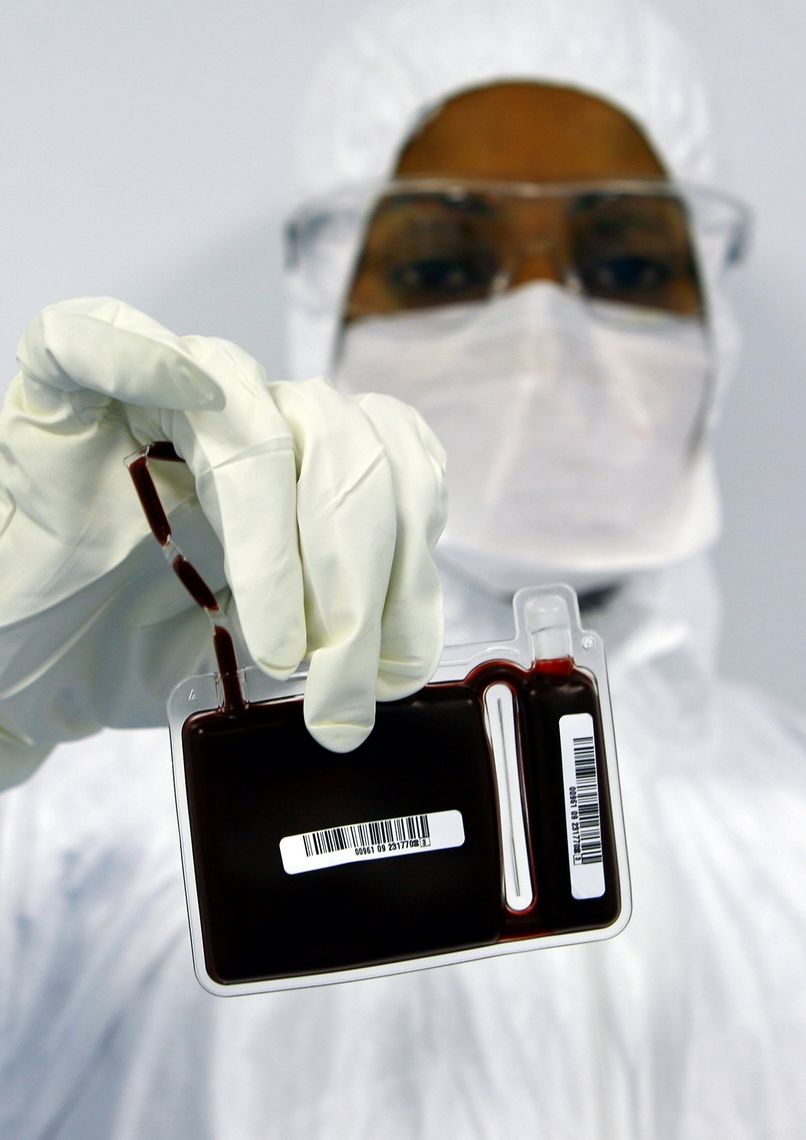
How can cord blood stem cells help fight cancer?
Our immune system contains specialised cells called T cells, which help protect the body against infections and abnormal cells, including some cancer cells.
However, cancer can be particularly difficult for the immune system to recognise and destroy. Some cancer cells develop ways to avoid detection, allowing tumours to continue growing.
Scientists have been developing treatments that modify T cells to make them better at identifying and attacking cancer.
One example is CAR T-cell therapy, which is already used to treat certain blood cancers.
However, treating solid tumours, such as ovarian cancer and melanoma, has proven more challenging.
Turning cord blood stem cells into cancer-fighting T cells
Researchers at the University of California, Los Angeles (UCLA), developed an innovative approach using haematopoietic stem cells (HSCs) collected from umbilical cord blood.
These are the same type of blood-forming stem cells that have been used in transplantation medicine for decades.
Instead of using mature immune cells from adult donors, the researchers started with immature cord blood stem cells and genetically modified them to recognise a protein called NY-ESO-1, which is found in several types of cancer.
The scientists then guided these modified stem cells to develop into specialised T cells capable of identifying and attacking tumour cells.
The resulting cells, called AlloESO-T cells, were designed to recognise cancer in two different ways.
- Targeted recognition: The engineered T cells identify a specific cancer-associated protein.
- Additional immune detection: The cells also use natural killer cell receptors to recognise certain stress signals displayed by cancer cells.
This second detection mechanism is particularly important because some cancer cells can change or hide the proteins that immune therapies are designed to target.
By giving the engineered cells two ways to recognise cancer, researchers hope to make future treatments more effective against difficult-to-treat tumours.
What did the research discover?

The UCLA team tested these engineered cord blood-derived immune cells in laboratory experiments and mouse models of cancer.
The findings were encouraging.
1. Improved control of tumour growth
In mouse models of ovarian cancer, a single dose of the engineered cells provided sustained tumour control and extended survival.
2. Promising results against melanoma
The cells also slowed tumour growth and delayed cancer recurrence in mouse models of melanoma.
3. Strong immune cell expansion
Following treatment, the engineered immune cells multiplied approximately 100-fold, helping them continue targeting tumour cells.
4. Potentially fewer complications
The researchers observed that their engineered cells avoided the graft-versus-host disease seen with the conventional donor-derived T cells used for comparison.
Graft-versus-host disease is a potentially serious complication in which donated immune cells attack healthy tissues in the recipient.
These findings suggest that the new approach could potentially offer a safer and more effective way to develop immune cell treatments.
Importantly, these results come from preclinical research, not human clinical trials. Further studies will be required to establish whether the same benefits can be achieved safely in patients.
Could cord blood make cancer treatments more accessible?
One of the most interesting aspects of the research is its potential to change how advanced immune cell therapies are manufactured.
Currently, some personalised T-cell treatments require immune cells to be collected from an individual patient, genetically modified and manufactured into a treatment specifically for them.
This process can take several weeks and may be extremely expensive.
The UCLA researchers believe that cord blood stem cells could offer an alternative.
Because these stem cells can be expanded and developed into large numbers of immune cells, scientists may eventually be able to manufacture treatments in advance.
This approach is sometimes described as “off-the-shelf” cell therapy.
Rather than creating an individual treatment for every patient, researchers could potentially produce large batches of engineered immune cells that are stored and made available when needed.
According to the UCLA research team, a relatively small quantity of cord blood stem cells could potentially generate trillions of therapeutic cells, enough for thousands of treatment doses.
The researchers estimated that manufacturing costs could be substantially lower than those of existing personalised cell therapies, although these projections have not yet been demonstrated in routine clinical practice.
If successful in future human trials, this approach could help make advanced cancer treatments more accessible to patients.
Why is this research important for cord blood banking?
This study highlights something particularly interesting about umbilical cord blood: its medical potential may extend far beyond the treatments available today.
Cord blood contains haematopoietic stem cells, which can develop into the different types of blood and immune cells found in the human body.
These cells are already used in established stem cell transplantation procedures for conditions including:
- Leukaemia
- Lymphoma
- Severe aplastic anaemia
- Certain inherited blood disorders
- Some immune deficiencies
However, the UCLA study demonstrates how scientists are investigating new ways to use these cells.
Rather than simply transplanting cord blood stem cells to restore a patient’s blood-forming system, researchers are exploring how they can be modified and transformed into specialised cells designed to fight cancer.
This represents another direction in the development of stem cell medicine.
For families considering cord blood banking, research like this provides an insight into how the scientific understanding and potential applications of newborn stem cells continue to evolve.
It illustrates why cord blood remains an important resource for medical research and innovation.
What about cord tissue stem cells?
While this research focused specifically on stem cells found in cord blood, the umbilical cord itself also contains another valuable cell population: mesenchymal stromal cells (MSCs).
These cells are being investigated for their potential roles in regulating inflammation, supporting tissue repair and influencing immune responses.
Scientists are exploring cord tissue-derived MSCs in research involving neurological conditions, cartilage repair, immune-related disorders and other areas of regenerative medicine.
Cord blood and cord tissue therefore provide access to different types of cells with distinct biological properties.
By choosing to preserve both, families can retain these different cell sources for possible future applications, although many proposed regenerative treatments remain experimental and future clinical use cannot be guaranteed.
The future of cord blood stem cells

The UCLA study represents an encouraging development in cancer immunotherapy.
Although the engineered T cells have not yet been tested in humans, the research demonstrates how cord blood stem cells can be used as a starting point to create highly specialised immune cells.
If future clinical trials confirm their safety and effectiveness, this technology could contribute to new treatment options for patients with solid tumours.
For Smart Cells, research like this reinforces the importance of following advances in stem cell science and helping families understand both the established medical uses and emerging potential of newborn stem cells.
What makes cord blood particularly remarkable is that, even after decades of clinical use, scientists are continuing to discover new ways these cells might contribute to medicine.
For expectant parents, birth provides a unique opportunity to consider whether to donate or privately preserve their baby’s cord blood.
At Smart Cells, we are committed to helping families make informed decisions about cord blood and cord tissue banking, supported by scientific evidence and a clear understanding of current and potential future applications.
Have Questions? Please complete the short form below and you will receive a simple, comprehensive Free Guide to Cord Blood and Tissue Banking.
References
1. Zhu Y, Yu J, Kim YJ, et al. (2026). Scalable generation of hematopoietic stem cell-engineered off-the-shelf mono-specific cytotoxic T cells targeting solid tumors. Cell Reports Medicine.
DOI: 10.1016/j.xcrm.2026.102998
2. University of California – Los Angeles Health Sciences. (10 September 2026). UCLA scientists turn cord blood into powerful cancer-fighting T cells. ScienceDaily.
Rate this article: