Albania
 Bosnia and Herzegovina
 Bulgaria
 Croatia
 Cyprus
 Czech Republic
 Denmark
 Estonia
 Germany
 Hungary
 Italy
Italy
 Kosovo
 Lithuania
 Latvia
 Luxembourg
 Macedonia
 Montenegro
 Poland
 Portugal
 Romania
 Serbia
 Slovaki
 Slovenia
 Spain
Spain
 Switzerland
 Sweden
 Turkey
 United Kingdom
 UAE
UAE
 Hong Kong
 Kuwait
 Lebanon
 South Africa



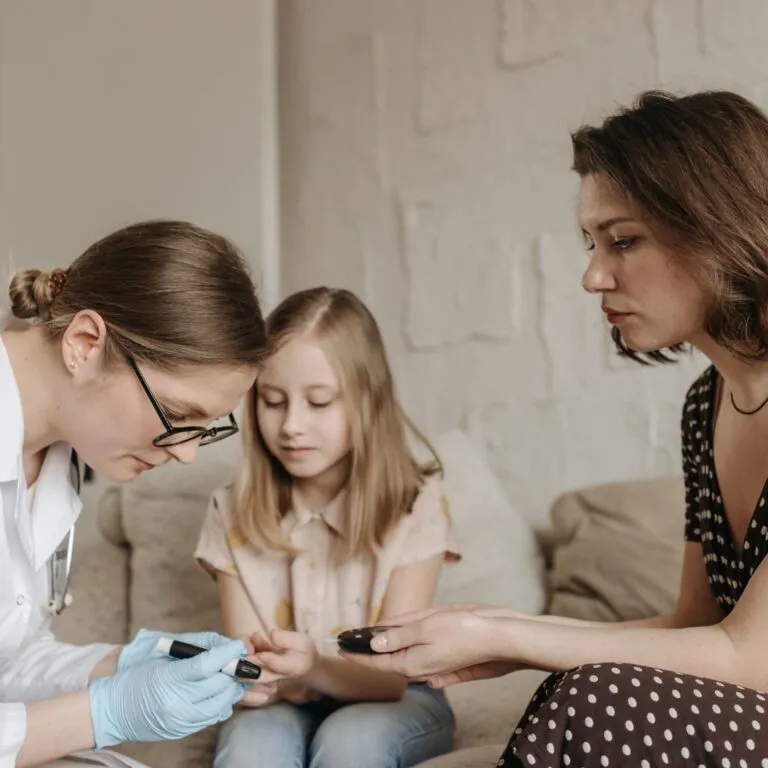
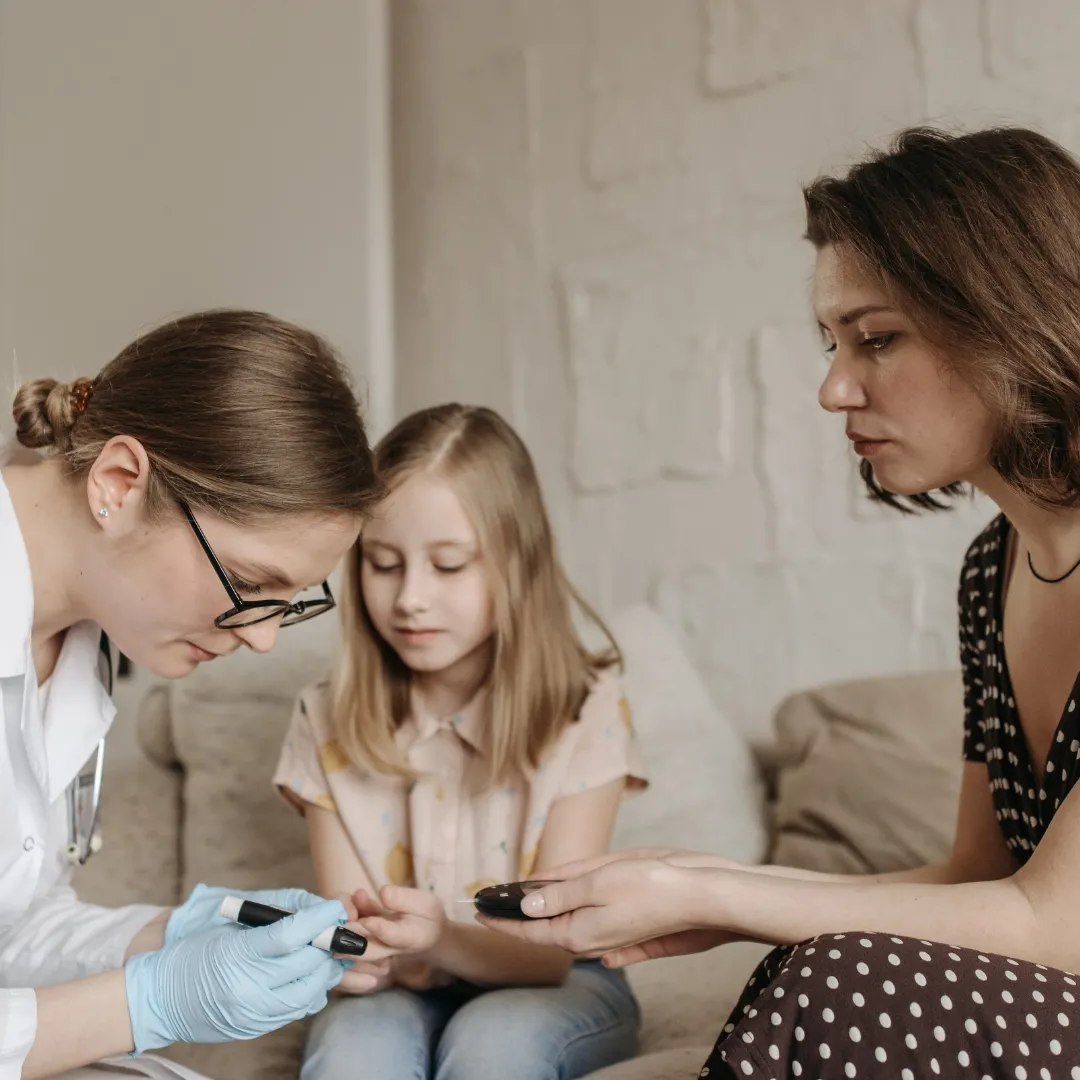
Learn more about the history of type 1 diabetes, insulin and how stem cell research is evolving.
At the turn of the century, a diagnosis of juvenile diabetes was an absolute, non-negotiable death sentence.
When the most common symptoms of type 1 diabetes were spotted in the early years of the 1900s – unquenchable thirst, rapid weight loss, and profound exhaustion – a family would be presented with a fatal prognosis. Medical science at the turn of the twentieth century was entirely powerless against the condition we now know as Type 1 Diabetes. The disease was something of a mystery. Doctors watched helplessly as children withered away to skin and bone, slipping eventually into diabetic comas from which they would never wake.
Before 1922, the only available treatment of type 1 diabetes was a grim protocol known as the Allen starvation diet. Invented by Dr. Frederick M. Allen, this strict regimen limited patients to as little as 400 calories per day. Carbohydrates were strictly forbidden. Patients survived primarily on heavily boiled vegetables and tiny portions of protein, effectively starving the body to prevent the build-up of toxic ketones in the bloodstream.
The starvation diet was an agonising trade-off. It could not cure the disease; it merely bought them a few extra months, or at best a couple of years, of extra life. The reality for families was heartbreaking. Parents were forced to ration food to their starving children, watching them grow weaker not only from the disease itself, but from the very treatment designed to keep them alive.
The underlying biological breakdown was simple but deadly: the body’s immune system was carrying out an aggressive autoimmune destruction of beta cells within the pancreatic islets. Without these vital β cells, the pancreas could not manufacture enough insulin to transport glucose from the bloodstream into the body’s cells. Deprived of fuel, the body began burning its own fat and muscle at a catastrophic rate, resulting in dangerously high blood sugar levels.
In this dark era of medicine, real hope was non-existent. Families prayed for a miracle breakthrough while watching their children slowly disappear before their eyes.
Teddy Ryder’s Story
That miracle arrived in a makeshift laboratory at the University of Toronto. In 1921, a research team led by Dr. Frederick Banting, Charles Best, J.B. Collip, and John Macleod successfully isolated a pancreatic extract they initially called “isletin.” By early 1922, they had refined this substance into the world’s first therapeutic exogenous insulin.
One of the very first children to benefit from this medical breakthrough was a four-year-old boy from New Jersey named Teddy Ryder.
Teddy Ryder’s Health Timeline (1920-1923)
1920: Diagnosed with juvenile diabetes at age 4.
1921: Maintained on strict starvation diet; weight drops to 26 lbs.
1922: Becomes one of the first patients to receive exogenous insulin.
1923: Achieves healthy weight gain and complete symptom reversal.
When Teddy was diagnosed in 1920, his family was devastated. By the summer of 1922, after two years on a punishing starvation diet, six-year-old Teddy weighed a mere 26 pounds. He was so weak he could no longer stand or lift his head. His mother brought him to Toronto in a last-resort effort to save his life, placing him directly under the care of Dr. Banting.
The transformation was nothing short of miraculous. Following his very first daily insulin injections, Teddy’s body began processing glucose normally again. The heavy fog of ketoacidosis lifted. His appetite returned, and his fragile frame began to fill out.
The dramatic shift in his health is beautifully captured in a famous handwritten letter that Teddy sent to Dr. Banting in late 1922:
“Dear Dr. Banting, I wish you could come to see me. I am a fat boy now and I feel fine. I can climb a tree now. Lots of love from Teddy Ryder.”
The Impact of a Breakthrough
Teddy Ryder did not just survive his childhood; he went on to live a full, vibrant life, dying of unrelated causes in 1993 at the age of 76. He lived for more than seventy years on insulin replacement therapy, becoming a living testament to the power of a single scientific breakthrough to completely rewrite a human destiny.
The introduction of insulin was a monumental milestone in the history of regenerative medicine and clinical use treatments. Overnight, a terminal diagnosis was transformed into a manageable chronic illness. The frantic terror of the pre-insulin era evolved into a structured routine of blood glucose levels monitoring and daily injections.
The Evolution of Diabetes Management
In the decades following Teddy Ryder’s historic recovery, diabetes management advanced at a steady pace. The medical community shifted from animal-derived insulins (extracted from bovine and porcine pancreases) to highly purified human embryonic stem cells derivatives and recombinant DNA-engineered synthetic insulins in the late 20th century.
Today, high-profile figures live public, highly active lives with Type 1 Diabetes, demonstrating just how far management technology has come:
- James Norton: The acclaimed British actor wears his continuous glucose monitor (CGM) proudly on set, managing his insulin delivery while performing demanding roles on stage and screen.
- Theresa May: The former UK Prime Minister managed the immense, high-stress responsibilities of running a country while relying on daily insulin injections and regular blood sugar control protocols.
- Henry Slade: The elite England rugby player competes at the highest level of international sport, proving that Type 1 Diabetes does not limit physical performance when backed by precise modern management.
However, despite continuous glucose monitors, advanced insulin pumps, and improved target range algorithms, modern management remains just that: management.
For millions of diabetes patients worldwide, the condition still requires constant vigilance. It demands round-the-clock calculations, carbohydrate counting, and the ever-present anxiety of sudden high or low blood sugar spikes. Long-term complications like nerve damage, kidney disease, kidney failure, and cardiovascular issues remain a constant threat if strict blood sugar control is not maintained.
The fundamental goal of medical science hasn’t changed since 1922. We are still looking to move past the need for exogenous insulin entirely, shifting our focus from daily management to a definitive, permanent cure.
Stem Cell Therapy for Type 1 Diabetes
This is exactly where we draw a revolutionary parallel to the modern era. We find ourselves standing on a medical threshold that looks remarkably similar to the one Dr. Banting stood on in 1922.
Just as the isolation of insulin transformed diabetes from a terminal death sentence into a manageable condition, the rise of stem cell therapies aims to move us from lifelong management to true biological regeneration and protection.
Management vs. Regeneration
Era 1: Pre-1922 | Starvation Diets | Terminal Outcome
Era 2: 1922-Present | Exogenous Insulin | Lifelong Management
Era 3: Emerging Future | Stem Cell Therapeutics | Complete Regeneration
For the last century, diabetes treatments have focused entirely on managing the symptoms of the disease by replacing what is missing. Stem cell research, particularly the clinical use of umbilical cord blood and cord tissue, is fundamentally changing the playbook. Instead of merely supplying external insulin, scientists are working to heal the body from the inside out using cellular therapy.
The ultimate goal of stem cell-based treatments is two-fold:
- Regeneration: Growing brand new, functional insulin-producing cells (β cells) from pluripotent stem cells or adult stem cells to replace those destroyed by the disease.
- Protection: Using specialized immune-modulating cells, such as regulatory T cells found in umbilical cord blood, to halt the body’s autoimmune attack before it can destroy the pancreas’s insulin production capabilities.
By focusing on these two pillars, modern regenerative medicine is charting a direct path toward true insulin independence. This offers real hope to millions of families that one day, daily injections and finger-pricks will be a thing of the past.
Pluripotent vs. Adult Stem Cells
To understand how close we are to this new frontier, it helps to break down the specific cell types driving this modern medical revolution. Not all stem cells are created equal, and different varieties serve highly specialized roles in diabetes research.
Pluripotent Stem Cells
Pluripotent stem cells, which include both human embryonic stem cells and induced somatic cells reverted to a pluripotent state, are the ultimate blank slates of human biology. These cells have the unique ability to differentiate into any cell type in the human body.
In the context of diabetes mellitus, researchers use small molecules in lab environments to guide these pluripotent cells along a precise developmental pathway. The goal is to transform them into fully functional, glucose-responsive pancreatic islets.
Once matured, these lab-grown insulin-producing islet cells can be transplanted into a patient. They immediately begin sensing blood glucose levels and secreting exactly the right amount of insulin, functioning just like a healthy, biological pancreas.
Adult and Tissue-Specific Stem Cells
While pluripotent cells are experts at turning into brand new tissue, adult stem cells, such as haematopoietic stem cells from bone marrow or umbilical cord blood, and mesenchymal stem cells (MSCs) sourced from cord tissue or adipose tissue, excel at repairing damage and regulating the immune system.
Mesenchymal stem cells are highly valued for their powerful anti-inflammatory and immunosuppressive properties. When introduced into the body, they home in on sites of tissue damage and inflammation.
In Type 2 diabetes, where chronic systemic inflammation drives insulin resistance, MSCs help repair cellular structures and restore normal insulin secretion. Long-term research published in Mesenchymal Stem Cells: A Novel Therapy for Type 2 Diabetes (PMC) highlights their unique ability. In Type 1 diabetes, these cells work alongside regulatory T cells to quiet the hyperactive immune cells responsible for the autoimmune destruction of beta cells.
Recent Clinical Breakthroughs
This might sound like science fiction, but the recent clinical trial data proves that the future is already unfolding! Over the last few years, several high-profile clinical trials have turned theoretical stem cell science into undeniable medical history.
The Vertex Pharmaceuticals Milestones
One of the most significant breakthroughs in recent years comes from clinical trials sponsored by Vertex Pharmaceuticals. Investigators utilised a stem cell-derived, fully differentiated pancreatic islet cell therapy (known as VX-880) on a series of Type 1 diabetes patients.
The report looked at 12 patients with severe Type 1 Diabetes. Before the trial, none of their bodies could make any of their own insulin, they suffered from dangerous, unpredictable blood sugar drops, and they relied entirely on daily injections/pumps.
The first patient enrolled in the clinical study had lived with Type 1 diabetes for over forty years, requiring large amounts of daily exogenous insulin. Following an infusion of these stem cell-derived insulin-producing cells, the patient’s body began manufacturing its own insulin naturally.
What were the key results?
The results from a single infusion of these cells were incredibly positive:
- The cells worked: By day 90, the new cells successfully “woke up” in all 12 patients and began automatically producing insulin in response to blood sugar levels.
- Excellent blood sugar control: All 12 patients successfully reached their medical targets, maintaining stable blood sugar control within a safe target range.
- No more scary drops: Every single patient completely stopped having dangerous, severe low blood sugar events.
- Less (or zero) insulin needed: 11 out of the 12 patients were able to drastically reduce or entirely stop using their daily insulin injections.
- Total freedom at one year: For the 3 patients who had been tracked for a full year or longer, all 3 achieved complete insulin independence, meaning they no longer need any external insulin at all.
Importantly, the treatment was well-tolerated with side-effects being mild or moderate. As a result, the trial has now been expanded to 37 patients.
The Peking University Trial
In a parallel breakthrough published in 2024, a research team led by renowned scientist Deng Hongkui at Peking University achieved a world-first milestone using an autologous treatment (the patient’s own stem cells) for severe type 1 diabetes.
The team transplanted reprogrammed, autologous insulin-producing islet cells into a 25-year-old woman who had suffered from severe Type 1 diabetes for years.
They injected 1.5 million of these cells into her abdominal muscles (a new technique that makes them easier to monitor via MRI). Within two and a half months, she was producing enough of her own insulin to stop daily injections entirely. She has been completely insulin-free for over a year.
This landmark study proved that a patient’s own somatic cells could be successfully reset, transformed into pancreatic cells, and safely reintroduced without triggering immune rejection.
The Big Benefit of Using Autologous Cells
Using a patient’s own reprogrammed cells provides a massive advantage:
- No Donor Shortages: It creates a potentially limitless supply of cells without waiting for an organ donor.
- Less Rejection Risk: Because the cells are a perfect genetic match, it dramatically reduces the risk of the body rejecting them as foreign tissue. (Note: The 25-year-old woman was already taking anti-rejection drugs for a previous liver transplant, so scientists are still studying exactly how the immune system behaves in a standalone trial).
The Major Challenges in Stem Cell Research
While these clinical trials offer incredible promise, the scientific community still faces several major challenges before stem cell transplantation becomes a standard, widespread treatment of type 1 diabetes.
1. The Protection Dilemma and Immune Rejection
The most significant hurdle in treating an autoimmune disease with stem cells is protecting the newly transplanted cells from the body’s immune system. If a patient receives cells derived from an allogeneic source (a donor), their immune cells will immediately recognise the graft as foreign, leading to aggressive immune rejection.
Even if researchers use autologous cells (the patient’s own reprogrammed cells), the underlying autoimmune condition remains active. The same hyperactive immune response that destroyed the original β cells will naturally seek out and destroy the newly transplanted cells.
Currently, patients in trials like the Vertex study must take powerful immunosuppressive drugs to protect their new cells. However, these drugs carry significant long-term side effects, making the treatment unsuitable for widespread clinical use, particularly in young children.
To overcome this, scientists are developing innovative solutions:
- Macro-encapsulation: Placing the stem cell-derived islet cells inside a microscopic, protective physical capsule. The capsule’s pores are large enough to let insulin out and glucose in, but small enough to block hostile immune cells from entering.
- Gene Editing (CRIPSR): Modifying the genetic profile of the stem cells to make them invisible to the host immune system, eliminating the need for immunosuppressive drugs entirely.
2. Scalability and Manufacturing
Manufacturing billions of highly pure, functional pancreatic islets from a pluripotent state requires extreme precision. Ensuring that every single cell differentiates into a safe, stable cell type without any remaining undifferentiated cells is an ongoing logistical and regulatory challenge.
Every batch must be identical, sterile, and perfectly optimized for clinical use before it can be delivered to diabetes patients globally.
Why Saving Cord Blood and Tissue Matters Today
As we look toward this near future of regenerative medicine, expectant parents have a unique, once-in-a-lifetime opportunity to safeguard a valuable biological resource: umbilical cord blood and cord tissue.
The blood and tissue left within the umbilical cord following birth are incredibly rich in pristine, youthful stem cells and regulatory T cells (Tregs). Unlike cells harvested later in life, these newborn stem cells have never been exposed to environmental toxins, viruses, or the natural aging process. They possess a far greater capacity for cellular division and tissue repair.
The Role of Cord Blood Tregs
In Type 1 diabetes, regulatory T cells are the ultimate biological target. They act as the natural “braking system” for the immune system, keeping aggressive immune cells in check.
Clinical research shows that infusing a child’s own cord blood Tregs can help re-educate the immune system, halting the autoimmune destruction of beta cells and preserving whatever remaining insulin production capacity the pancreas has left.
The CoRD Study in Australia
This isn’t just theoretical. The ongoing Cord Blood Reinfusion for Diabetes (CoRD) Study in Australia is actively investigating whether a child’s own stored cord blood can be safely used to prevent or delay the onset of Type 1 diabetes in high-risk siblings.
By preserving these cells at birth, families are securing a perfect genetic match that could serve as a foundational element in future stem cell-based treatments.
The Future
History has a beautiful way of moving in cycles. In 1922, Teddy Ryder’s life was saved by a radical new concept called hormone replacement therapy, delivered via a crude extract of exogenous insulin. He got to climb trees again because a handful of visionaries refused to accept that juvenile diabetes was an untreatable death sentence.
Today, we are standing on the cusp of an equally profound medical revolution. The transition from daily insulin injections to permanent, stem cell-driven cellular therapy is no longer a question of if, but when.
By understanding the rich history of diabetes management, we can clearly appreciate just how close we are to the next historic breakthrough. We are moving steadily toward an era where the body heals itself, where pancreatic islets are regenerated in the lab, and where the word “diabetes” is associated not with lifelong management, but with a definitive, lasting cure.
Related Reading
Looking to dive deeper into the science and choices behind future diabetes treatments? Explore our dedicated resources:
- Learn exactly how different types of diabetes alter your biology in our detailed breakdown: Type 1 vs. Type 2 Diabetes: Why the Difference Matters for Future Treatments.
- Explore the clinical trials and cutting-edge cord blood studies on our updated page: Diabetes: Can Stem Cells Help?
Rate this article: